Miracle in the Gorbals 2014
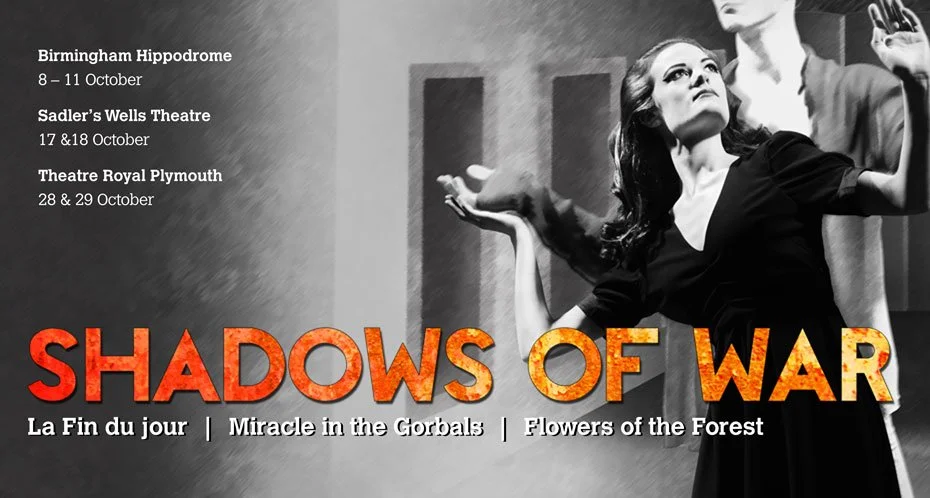
Miracle in the Gorbals
Birmingham royal ballet, sadler’s wells 2014
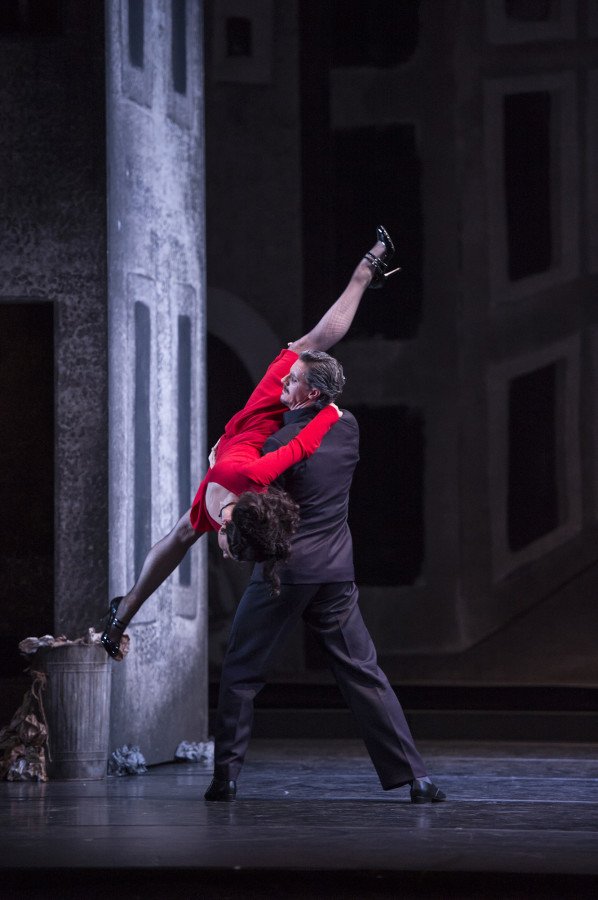
Birmingham Royal Ballet’s 2014/15 season featured a reconstruction of Robert Helpmann’s 1944 ground-breaking work, “Miracle in the Gorbals”, by original cast member Dame Gillian Lynne. The ballet was presented as part of the “Shadows of War” programme which also included Kenneth MacMillan’s “La Fin du jour”, which captures the glamorous ‘la plage’ lifestyle of the depression era; and David Bintley’s nostalgic ‘picture postcard’ view of Scotland, “Flowers of the Forest”, the title of which comes from the famous ballad for the flower of Scottish youth slain on Flodden Field.
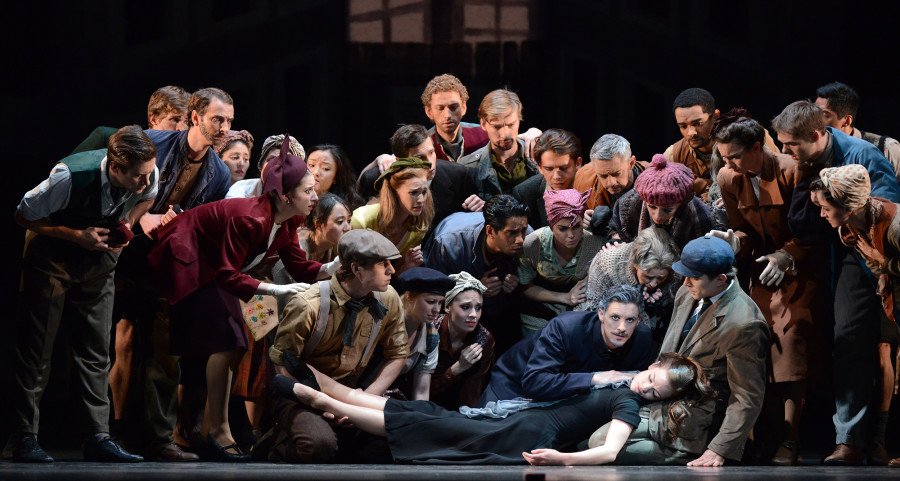
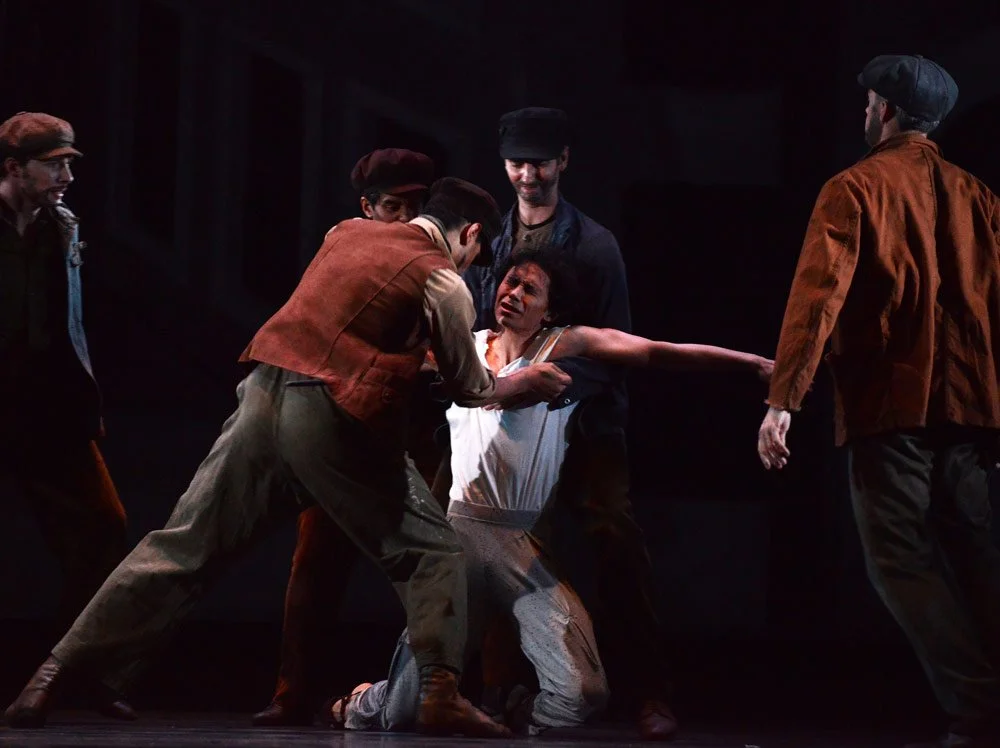
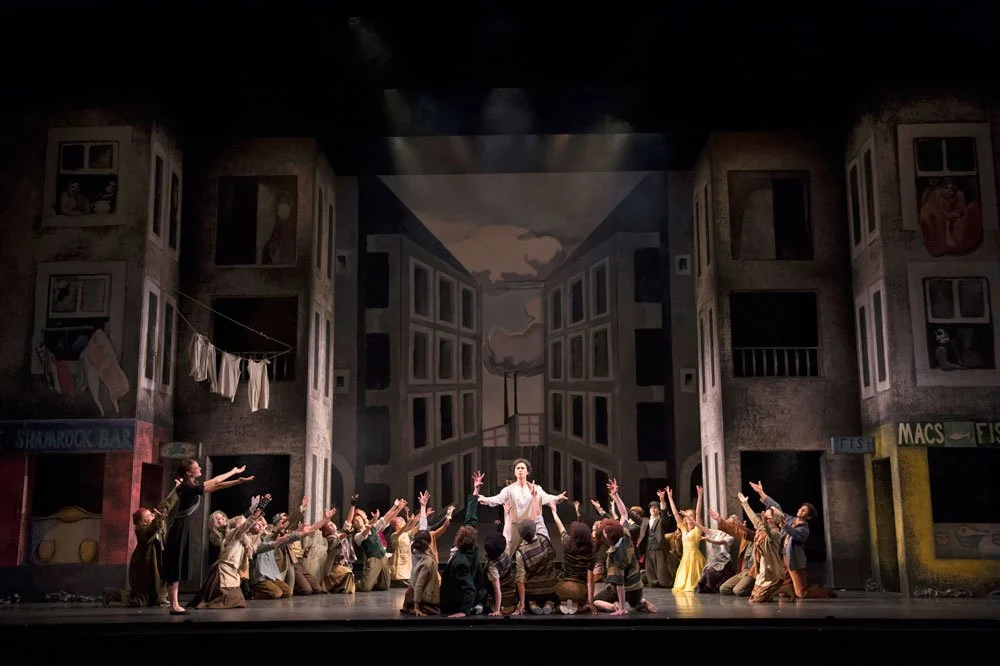
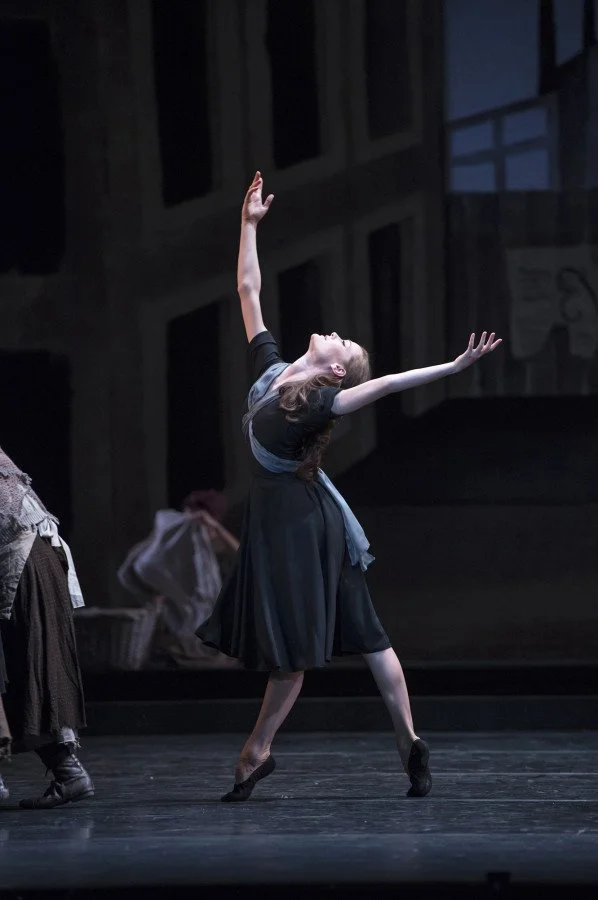
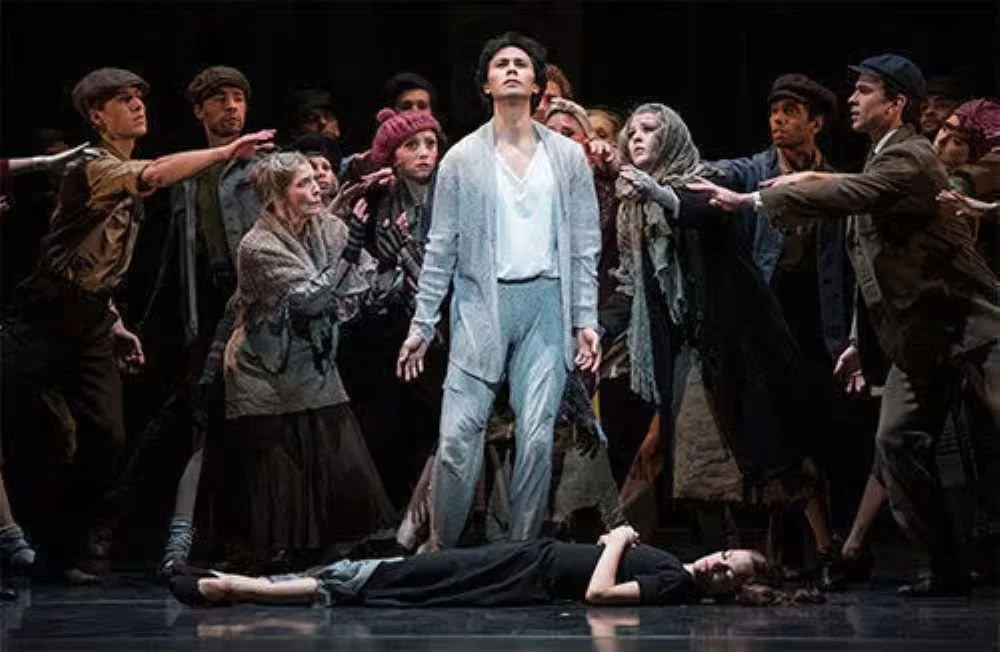
Miracle in the Gorbals was set in a run-down and dangerous Glasgow suburb and dispensed with all the frippery of traditional ballets, replacing it with a gritty realism that proved an enormous success back in 1944, and became a regular feature of Sadler’s Wells ballet seasons between 1944-50. The one-act ballet created by Helpmann, set to a story by Michael Benthall, tells how a despairing young Scottish girl commits suicide but is brought back to life by a Christ-like mysterious stranger. However, despite this miracle, the stranger’s very powers strike terror into some of the inhabitants and, encouraged by the Minister, he is murdered by a razor-wielding gang of thugs.

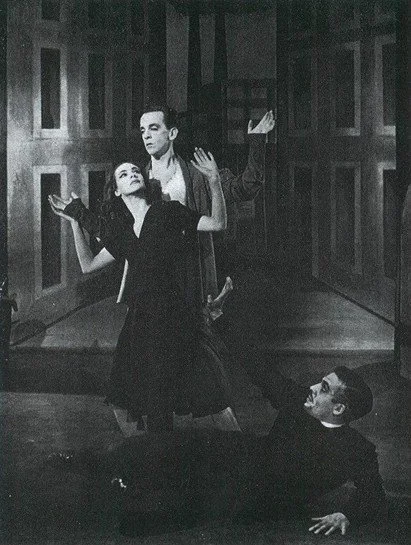
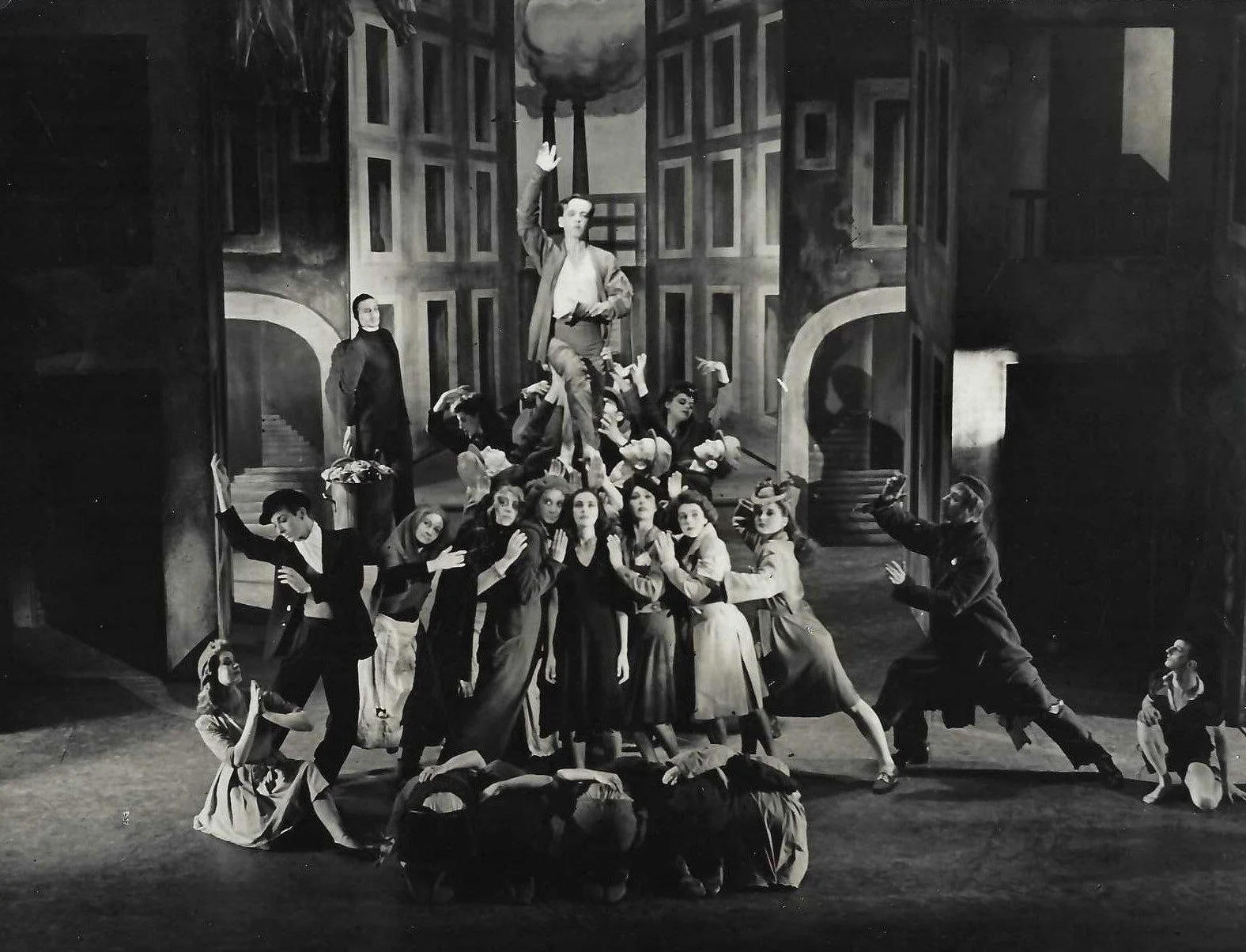
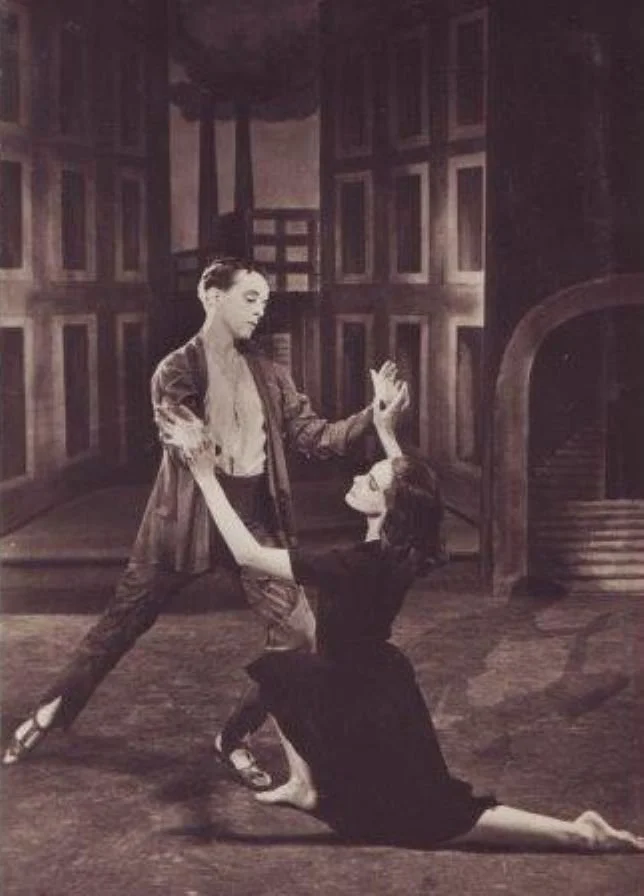
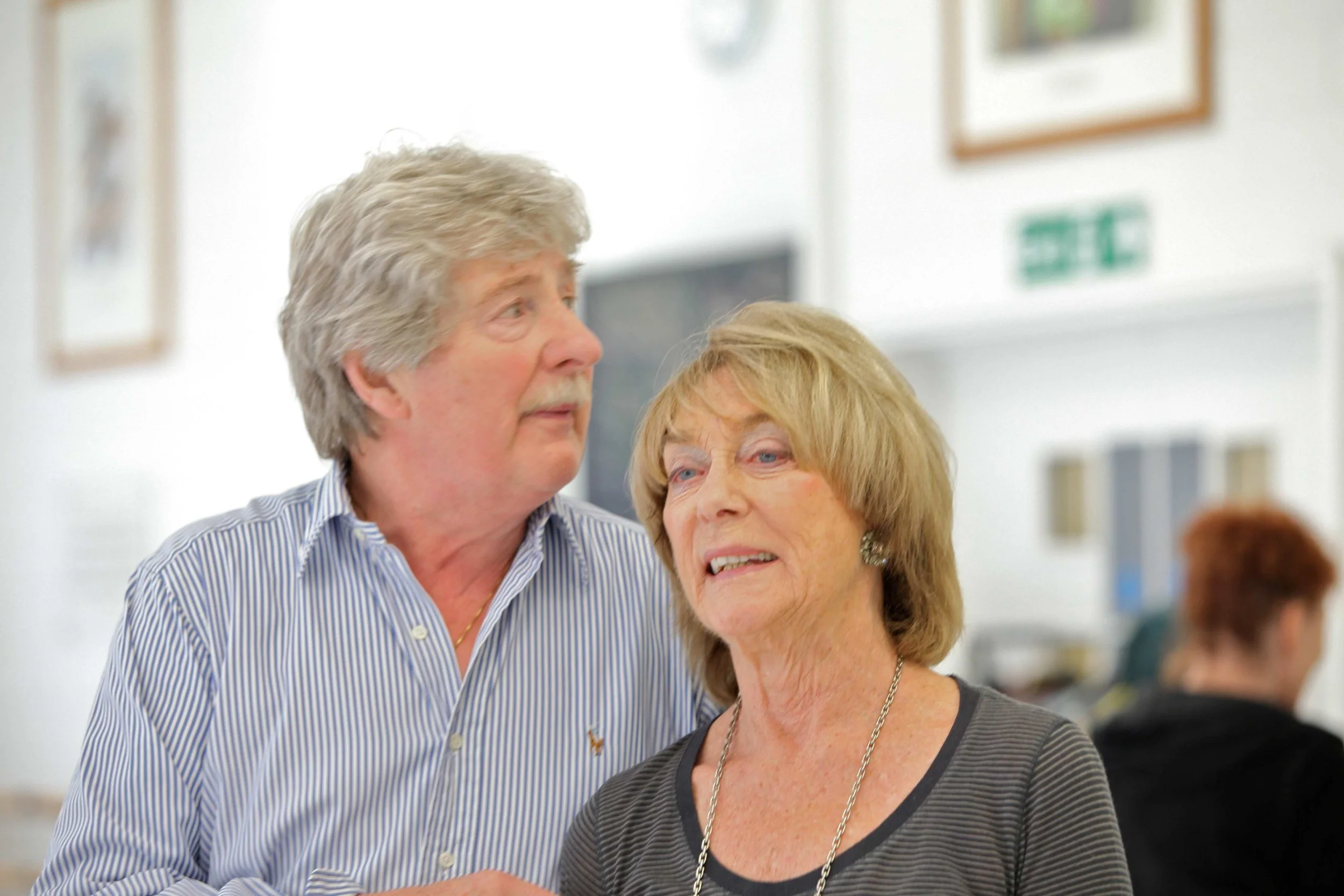
David Drew and Gillian Lynne
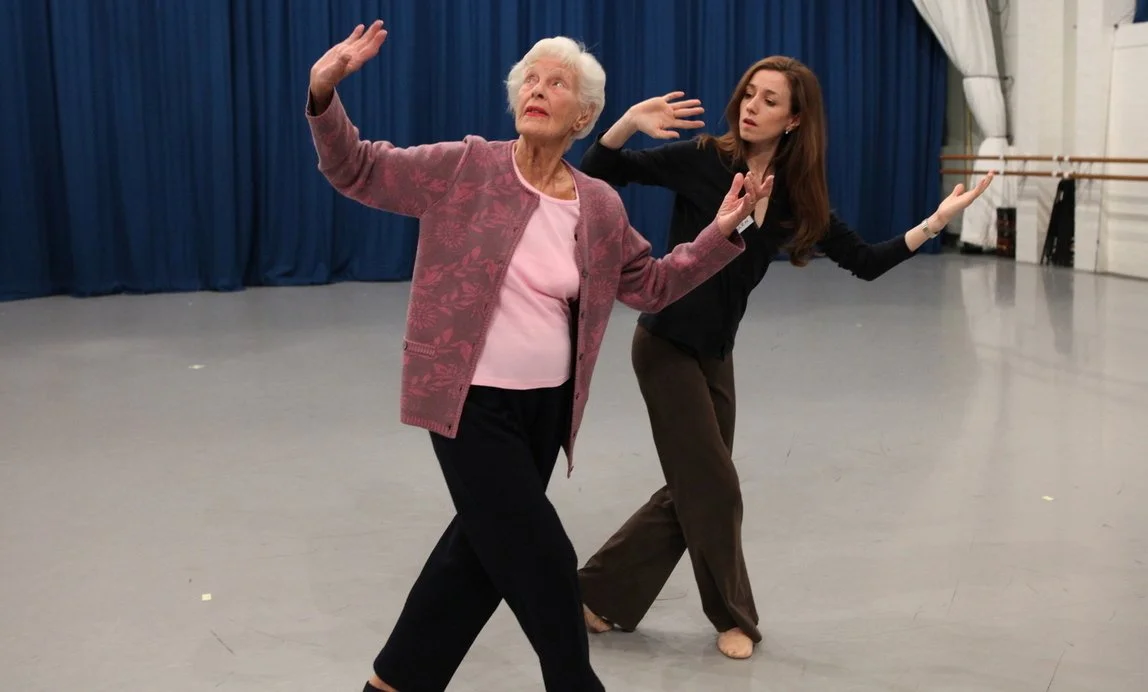
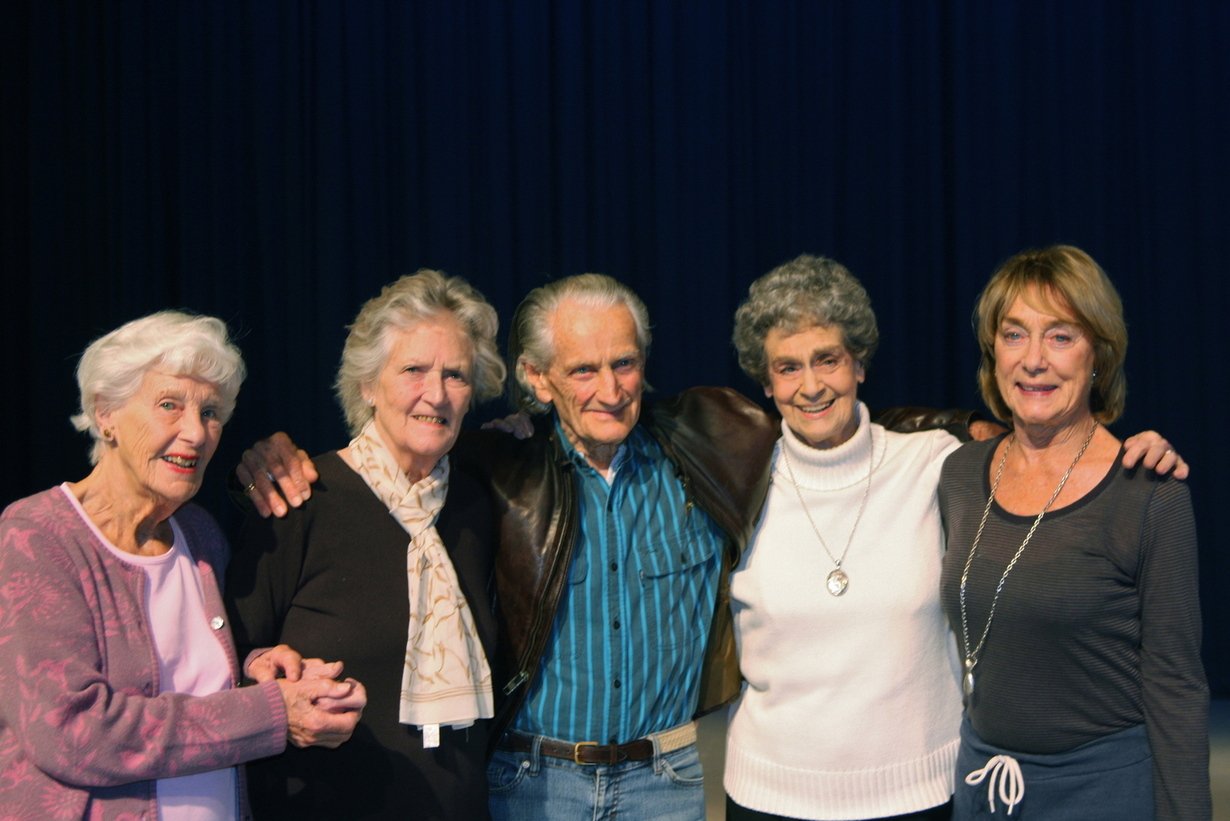
Former Royal Ballet dancer David Drew had long held a passion to reproduce the ballet which had not been performed since 1958, and initially approached Gillian to examine how it might be reproduced. However, only the music score by Arthur Bliss and some photographs of the original 1944 production remained so Gillian effectively had to start from scratch. She enlisted the help of four other original cast members from the Sadler’s Wells production at The Royal Opera House in 1946 - Pauline Clayden, Jean Bedells, Julia Farron and Henry Danton - at a workshop day in June 2011 at the Royal Opera House, Covent Garden, putting their collective memories together to help reconstruct the original movements.
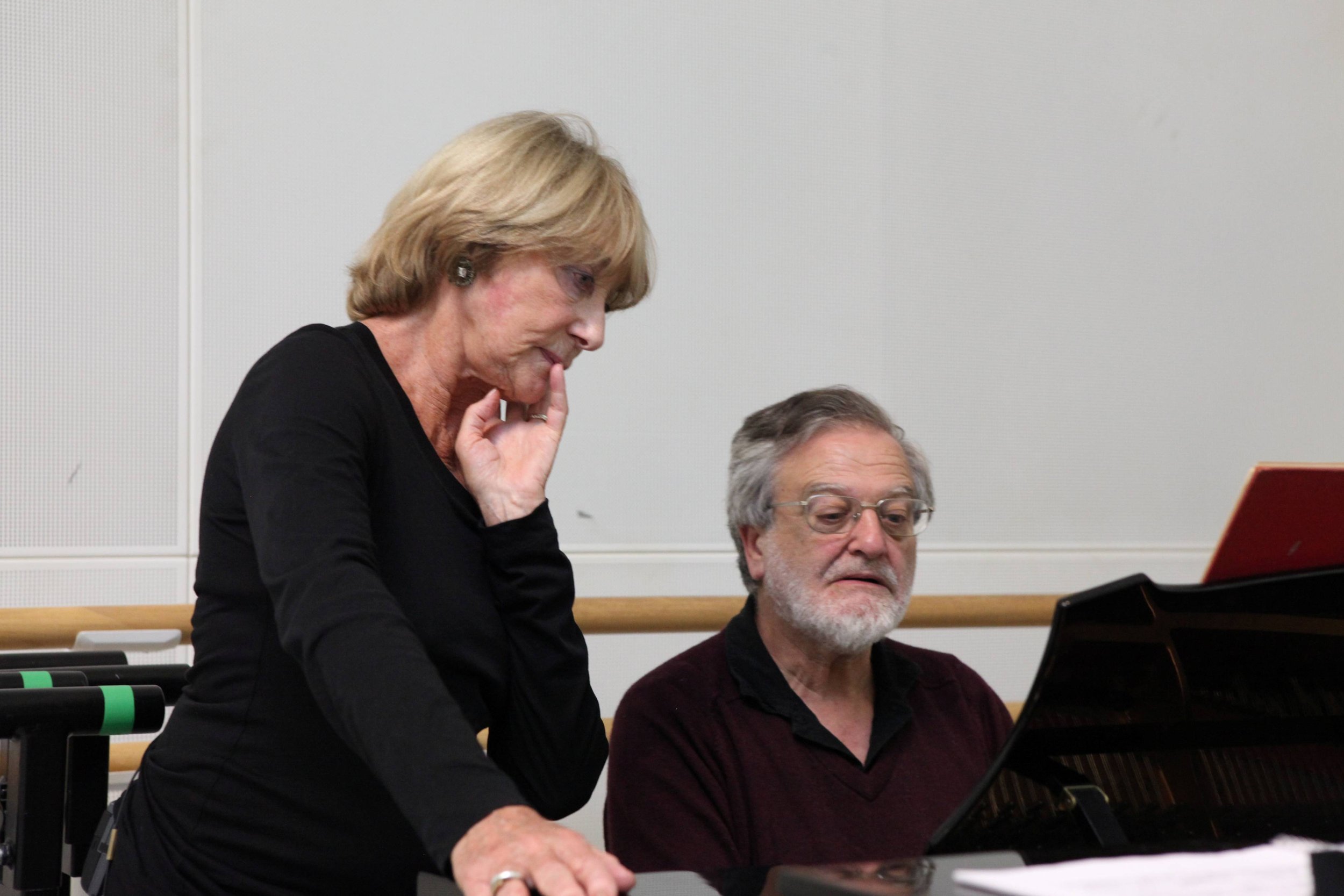
A presentation was held at the Fonteyn Studio, Royal Opera House in September 2011 with Royal Ballet dancers Kristen McNally, Laura McCulloch, Johannes Stepanek and Thomas Whitehead, accompanied by pianist Henry Roche, to recreate the Suicide solo and the Lover’s Duet.
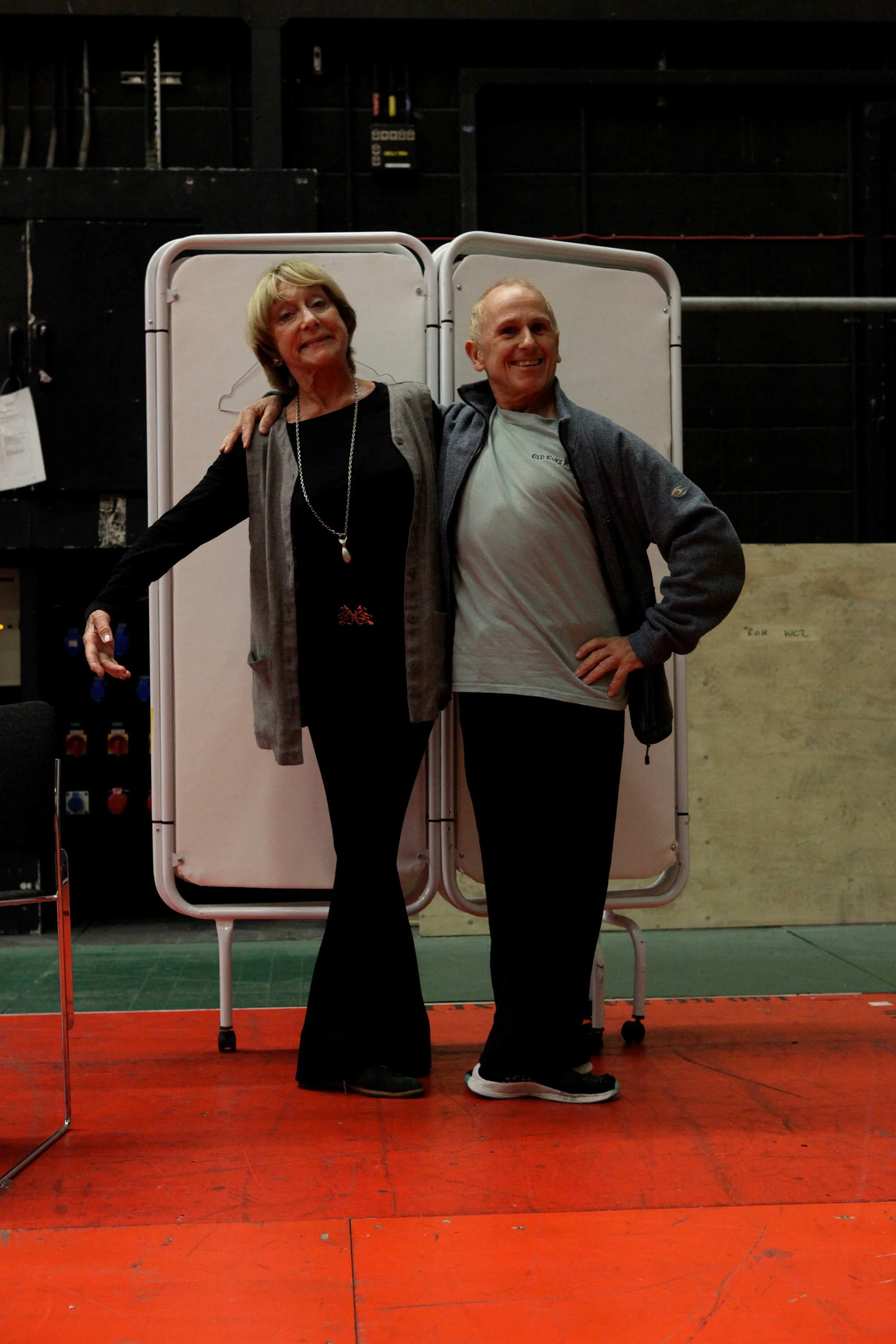
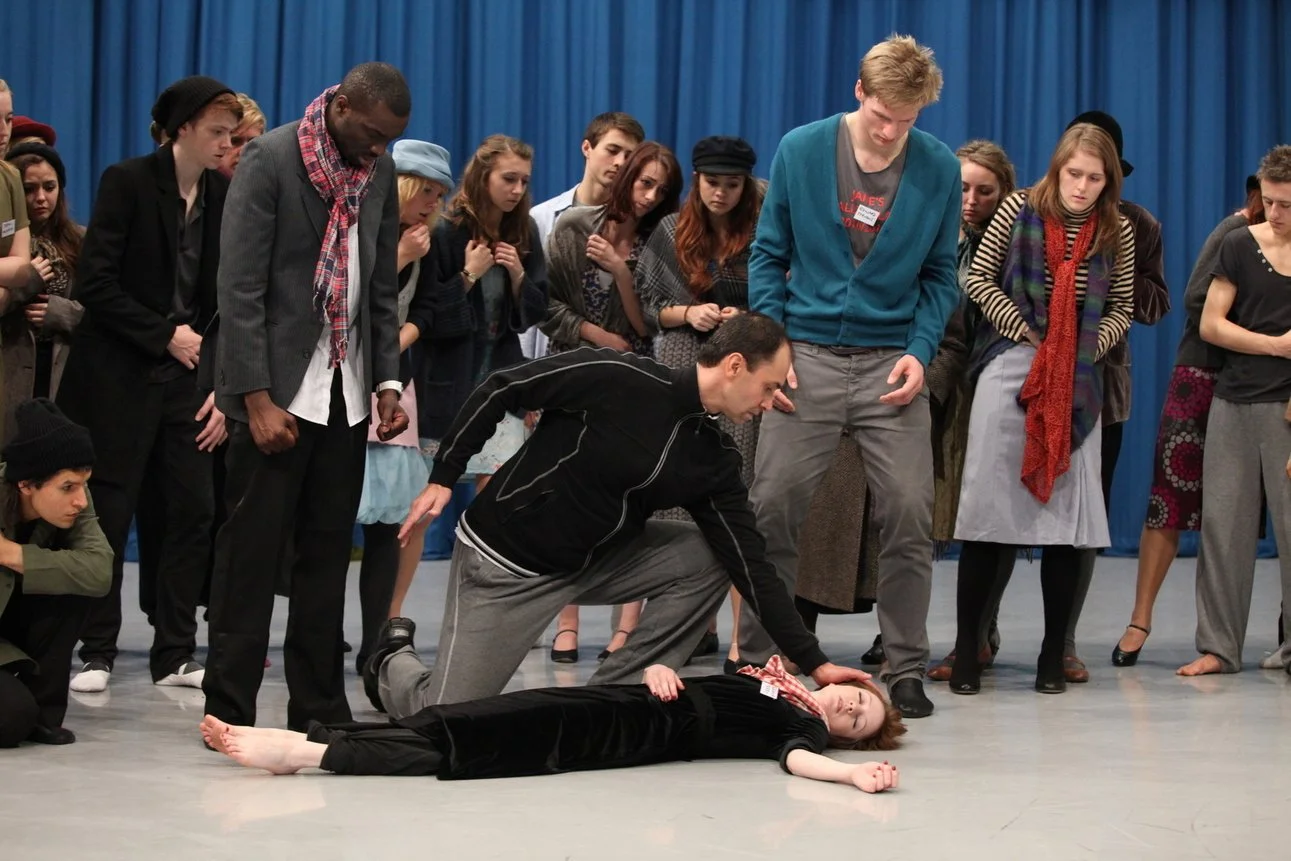
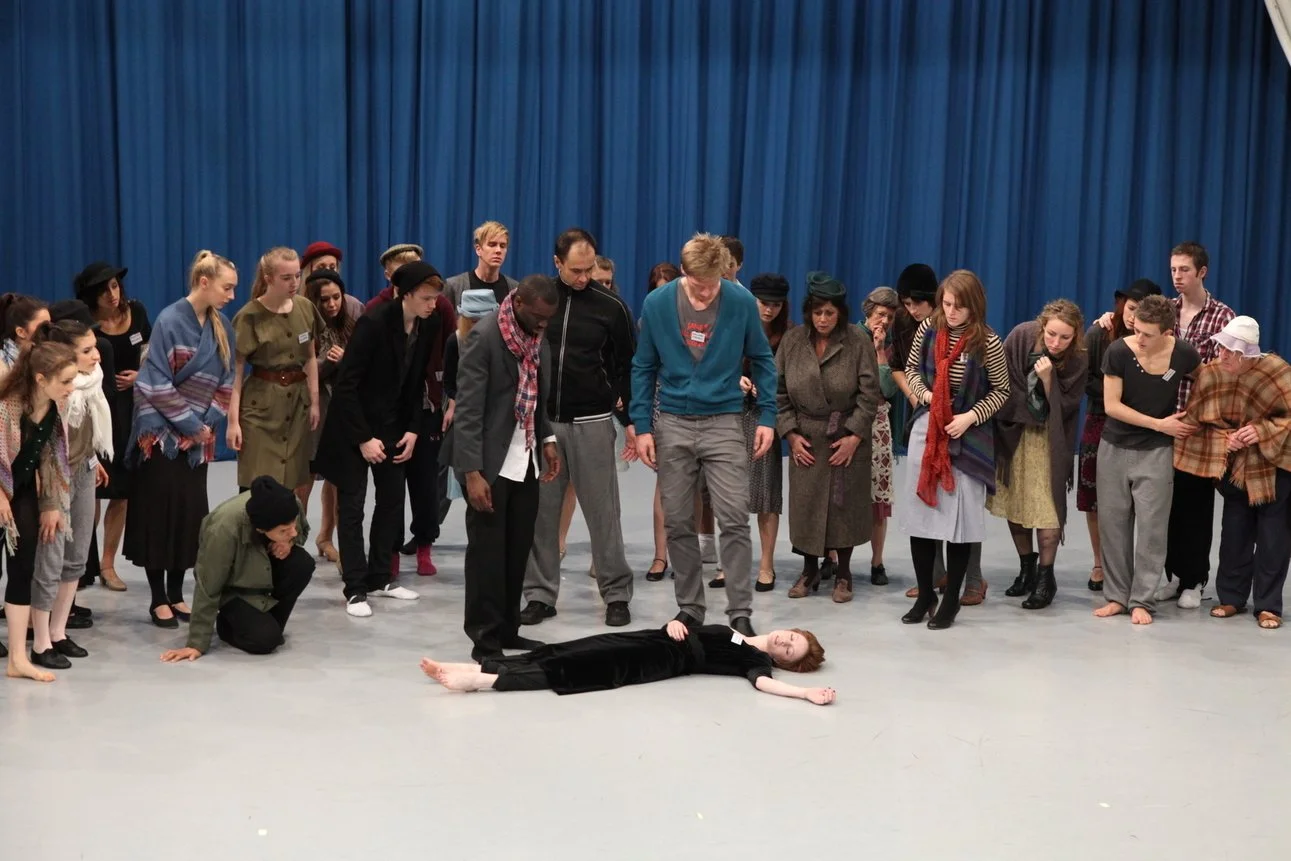
Another workshop day was held in November 2011 at The Royal Ballet School, White Lodge, Richmond Park which included Judith Paris (as the Prostitute), Jack Rebaldi (the Minister), Jane Burn (the Suicide), David Yow (the Stranger) and Oliver Symons (the Beggar) along with students of the Royal Ballet School, Temple Pentecostal Performance Group, Central School of Ballet and London Studio Centre.
The final pieces of the jigsaw came together when David and Gillian approached David Bintley, Artistic Director of Birmingham Royal Ballet, whose enthusiasm and support of the project culminated in the ballet being commissioned for BRB’s 2014 season.
performance of miracle in the gorbals by BIRMINGHAM ROYAL BALLET - OCTOBER 2014
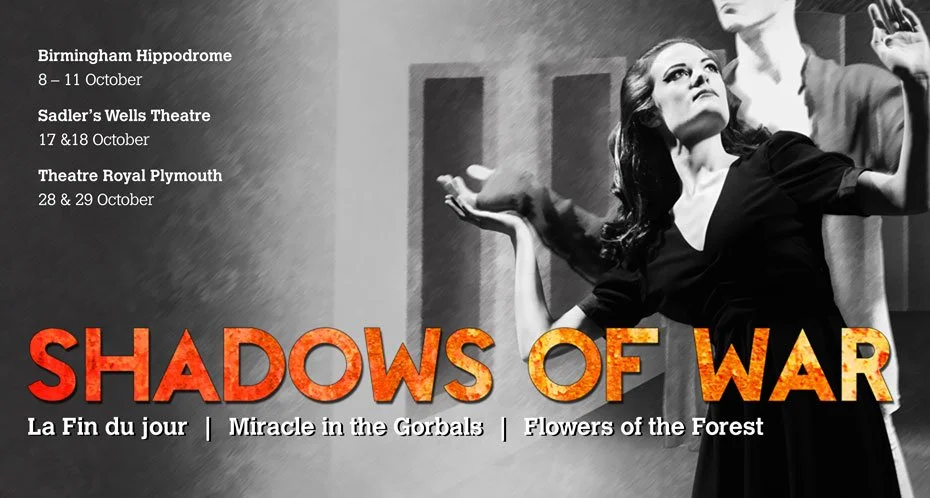
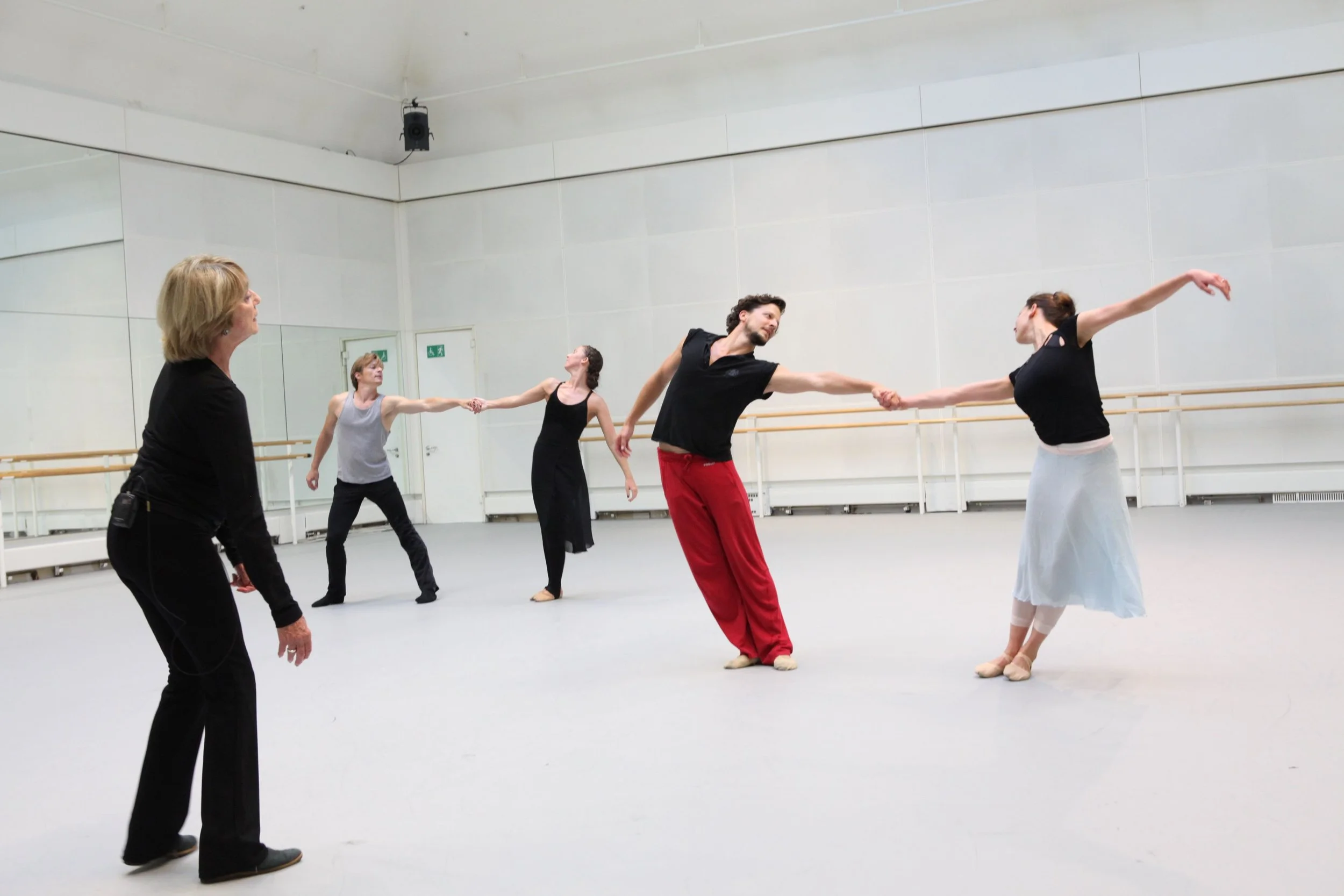
Miracle in the Gorbals was performed in October 2014 as part of Birmingham Royal Ballet’s Shadows of War production and was a resounding success. In a setting reworked from the original Edward Burra designs by Adam Wiltshire with lighting by Peter Teigen, the dancers magically brought a piece of theatrical drama history back to life, fully restored to its former glory.
Cast included:
The Suicide: Delia Mathews
The Lovers: Yvette Knight, William Bracewell
The Beggar: Michael O’Hare
The Prostitute: Elisha Willis
The Stranger: César Morales
The Minister: Iain Mackay
The Mother: Laura Purkiss
Old Ladies: Marion Tait, Ruth Brill, Jade Heusen
Gangsters: Yatsuo Atsuji, Brandon Lawrence, Rory Mackay, Valentin Olovyannikov, Jonathan Caguioa, Max Maslen
Fish Seller: Lachlan Monaghan
Barman: Benjamin Soerel
Inhabitants of the Gorbals: Artists of Birmingham Royal Ballet
To see photographs from the evening and a review of the performance, click below:
Read Gillian Lynne's 2014 Programme notes about miracle in the gorbals
“I adored Robert Helpmann. It was because of him that my first years in England’s precursor to the Royal Ballet – the Sadler’s Wells – were so enjoyable. His quirky nature was such a buoyant quality, something that we all depended on, especially during the war years and besides – he was our leading male dancer in a time when available talent was conscripted elsewhere in the fight against Hitler’s advance.
It was in these times that ‘Bobby’ Helpmann created – with Michael Benthall’s scenario, Arthur Bliss’s music and Edward Burra’s designs, four brilliant men working as a team - a ballet that clicked with the public need while utilising the company’s dramatic strengths. Bobby’s style of teaching during these days I realise I have fashioned as my own and it is the creed by which I work today.
The ballet is performed in Glasgow’s Gorbals, the severely overcrowded tenements near the river Clyde where most of the men worked. It is performed in the street clothes of the early forties. There are very few people left alive from that 1944 creation and not one of us remembers a step. But, we had the exceptionally strong story with which to build a new Gorbals and offer it as homage to a great man of the theatre.
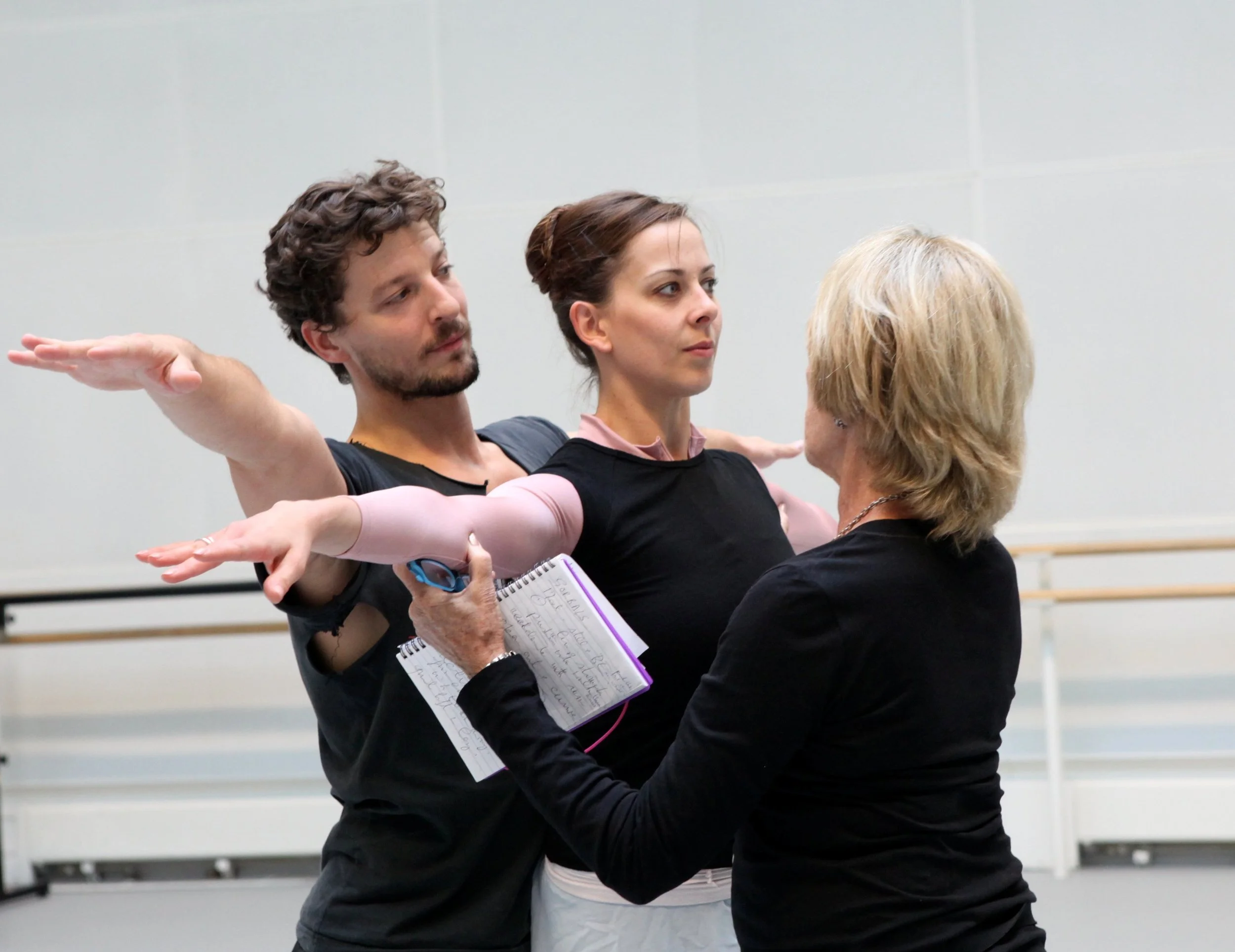
Directing and choreographing David Bintley’s exceptionally talented company during the rehearsals for ‘Miracle’ has been a joy. I hope I have instilled this same acting approach that Bobby found quite naturally – the drama of realness; nothing for him was ever danced without reason, without passion, without knowledge and without dare. I owe him a lot. His hand in my leaving the ballet was very complicated but his ideas for my improvement in the world of dance didn’t just stop at Sadler’s Wells. His was a universal view and I think he recognised my same wandering spirit. Thankfully I retained a strong relationship with him after our ballet days together, even though he was invariably far away in Australia. It was my great joy to offer him the role of Sergeant Pepper in the ballet film ‘Fool on the Hill’ I made for the Australian Ballet in 1977, one of his last appearances.
During WWII we performed Miracle in the Gorbals all over Europe in bombed and wrecked cities and somehow the story of Miracle was always well-received because we were all living the extremes that are at the emotional core of the ballet: Life, Death, Retribution, Love, Anger, Forgiveness were what we lived with daily; this is why the ballet reverberated with everyone with everyone who saw it - as I hope it will achieve the same today.”
presentation at fonteyn studio, rOYAl opera house - september 2011
Workshop at Royal Ballet School, White Lodge - November 2011
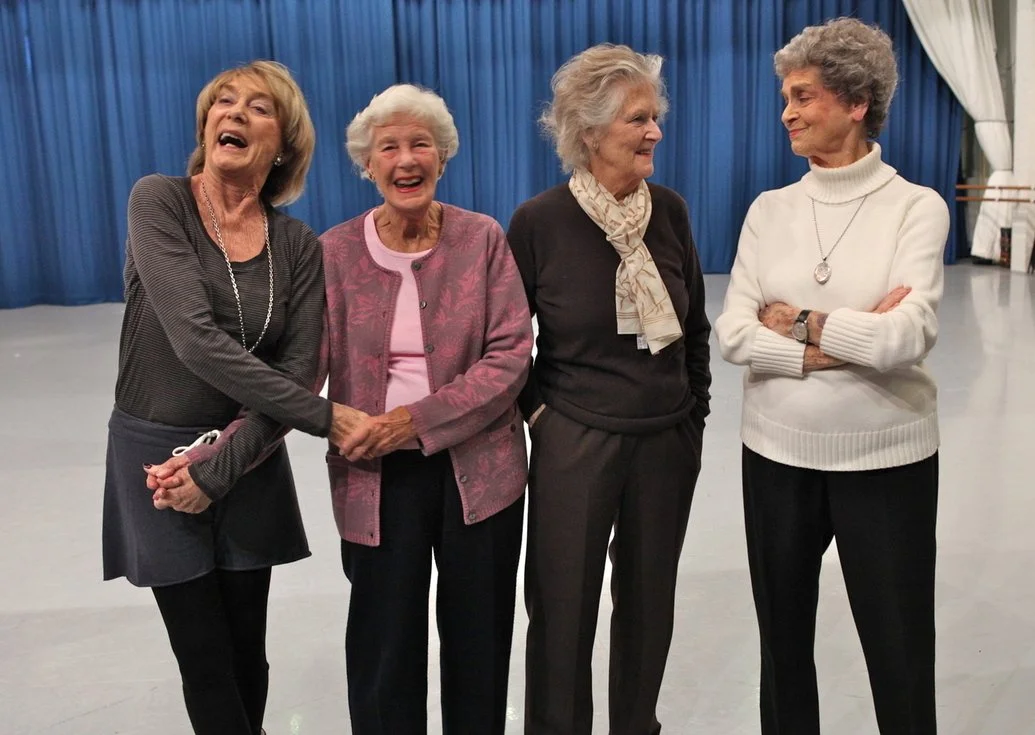
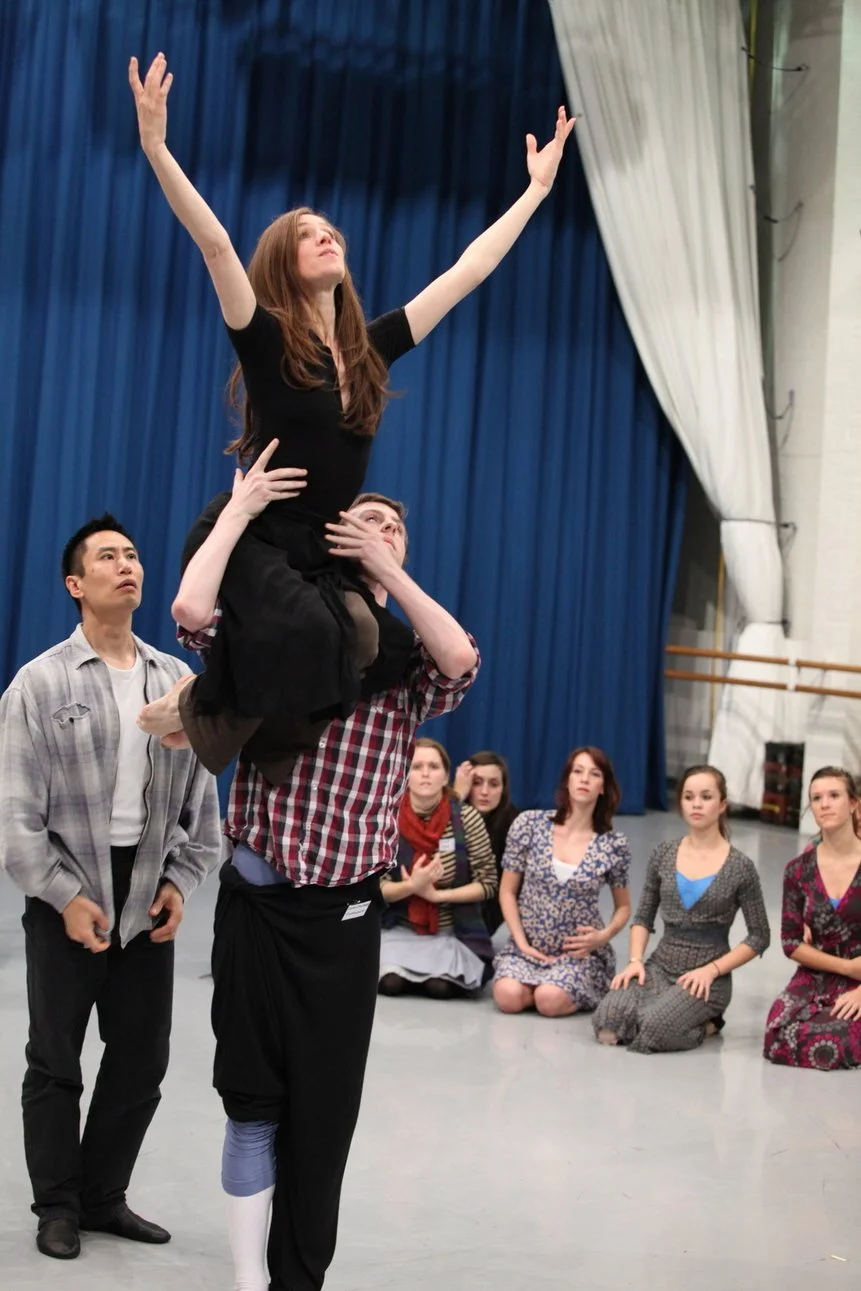
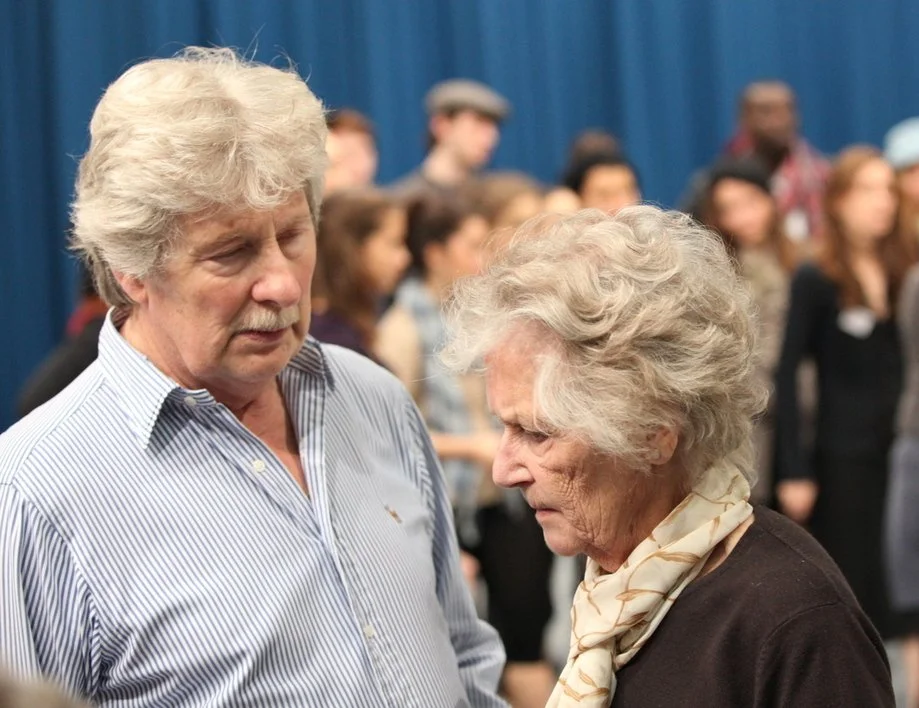
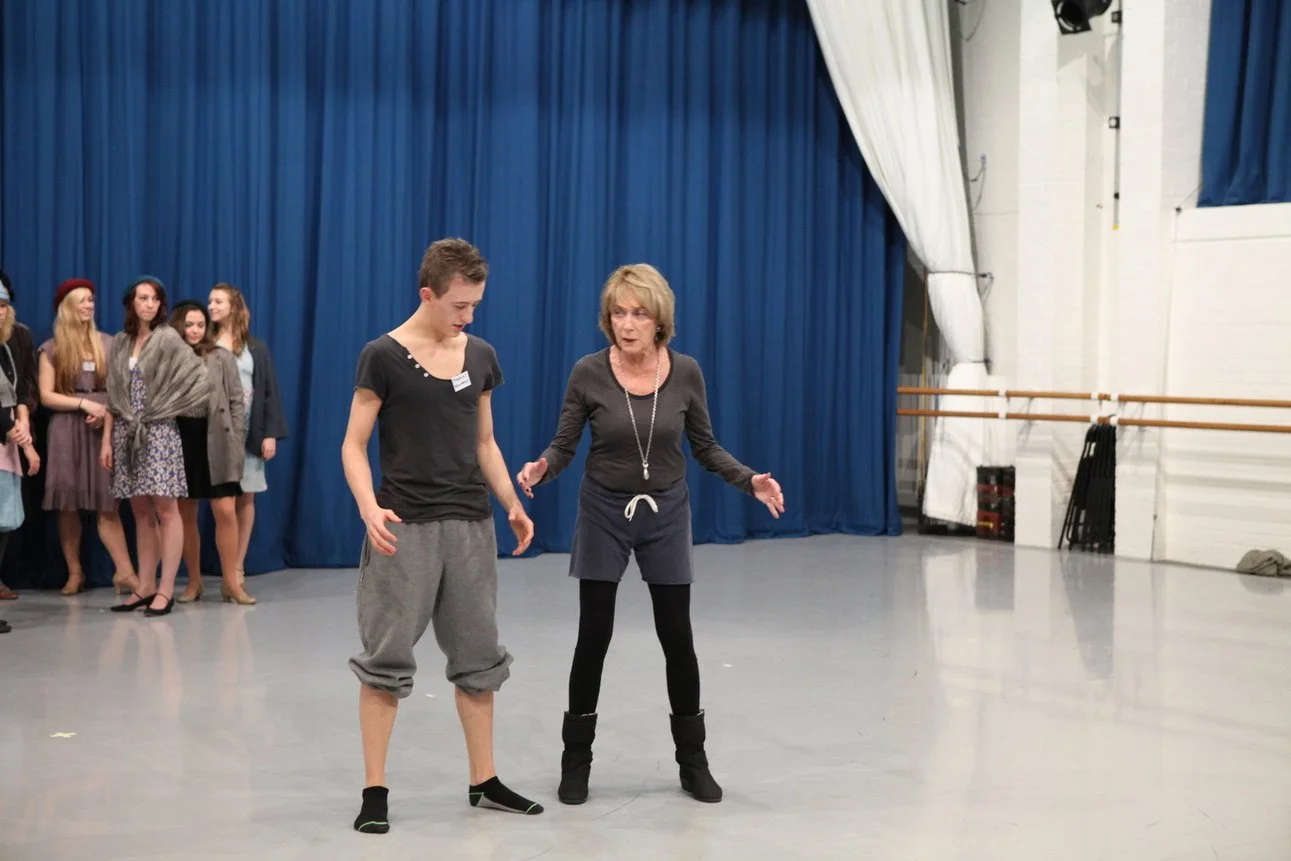
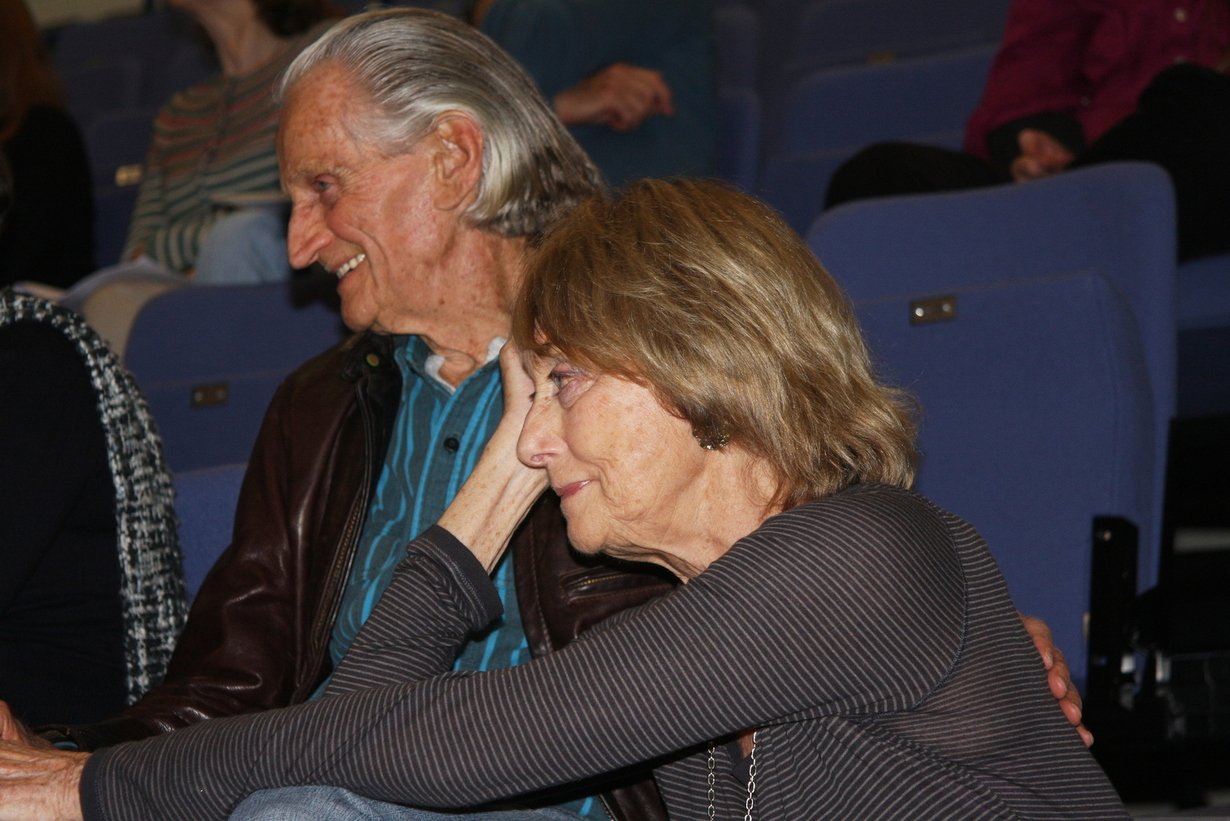
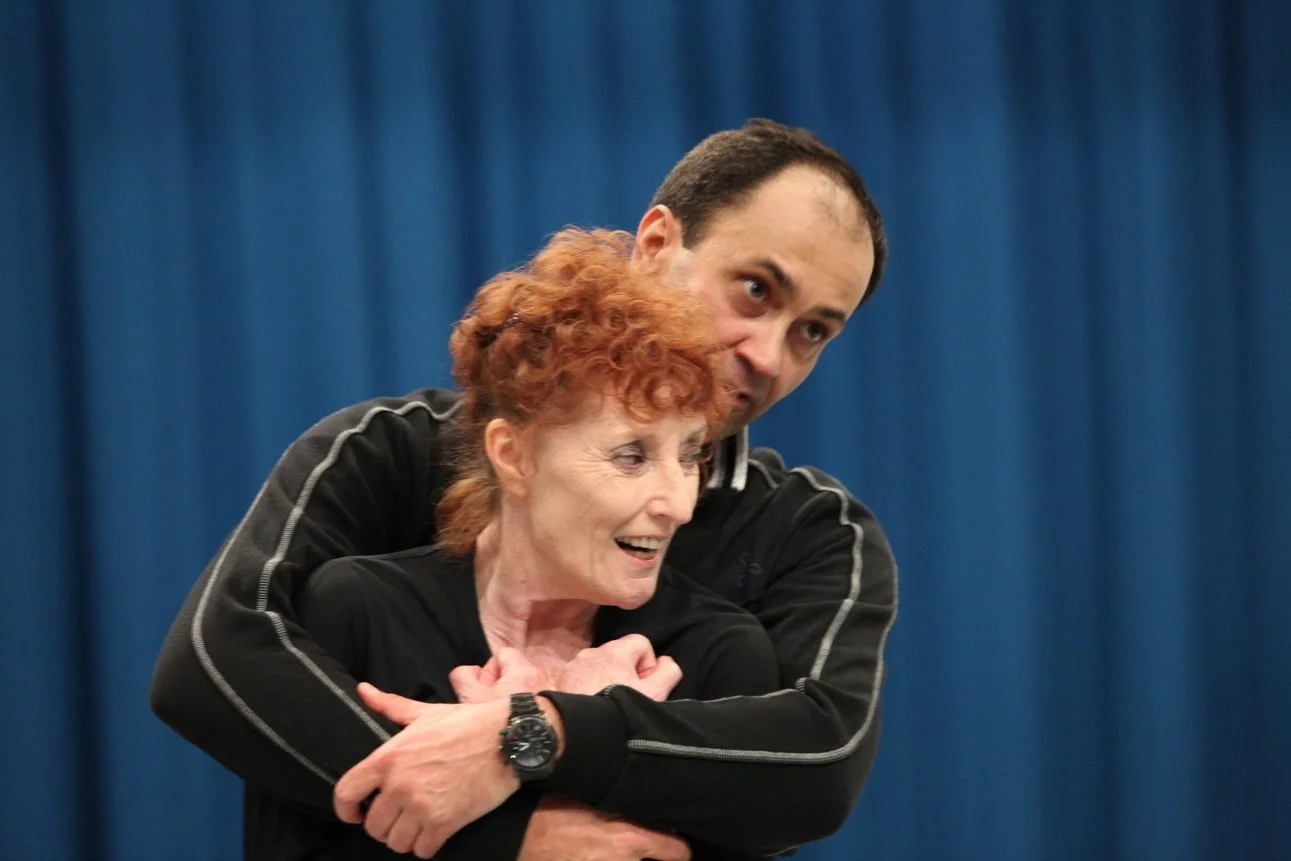
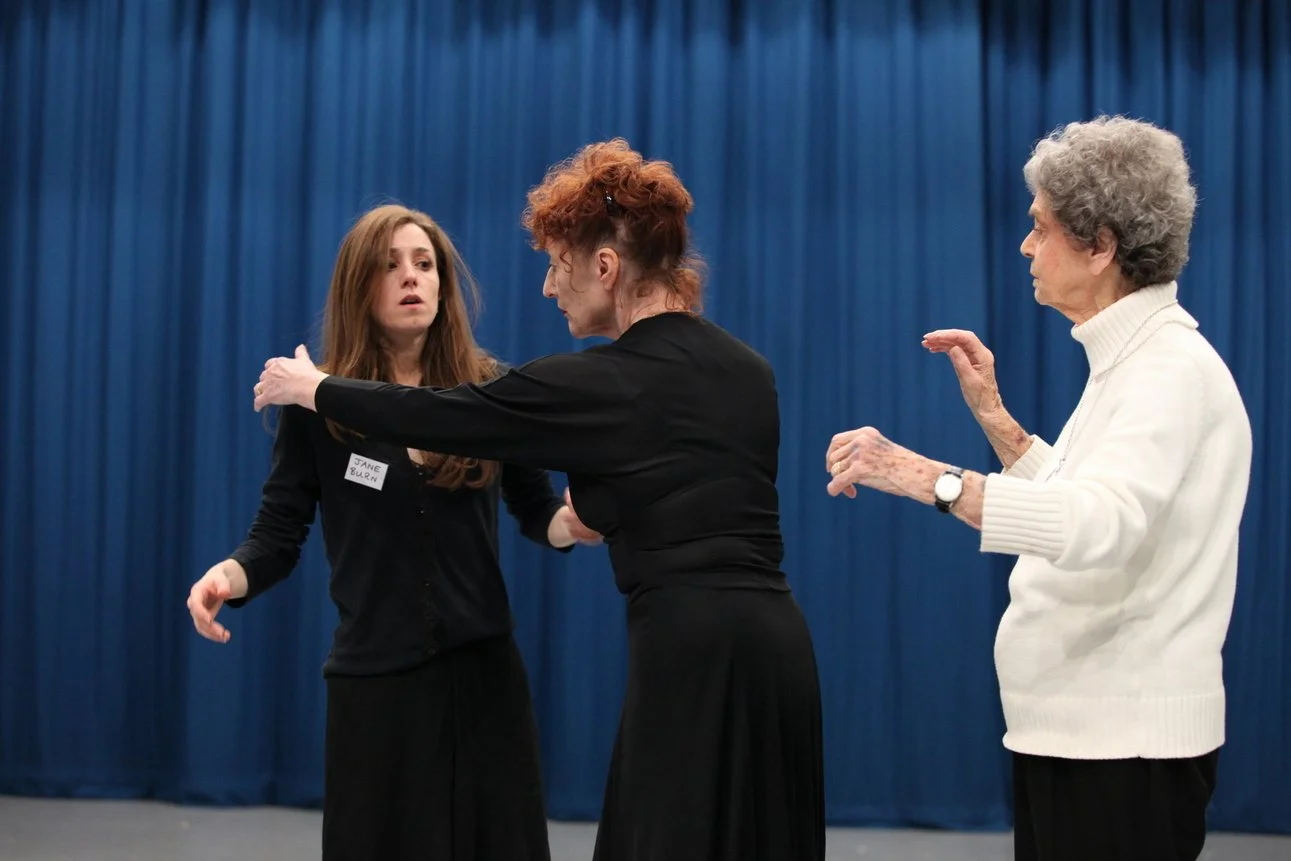
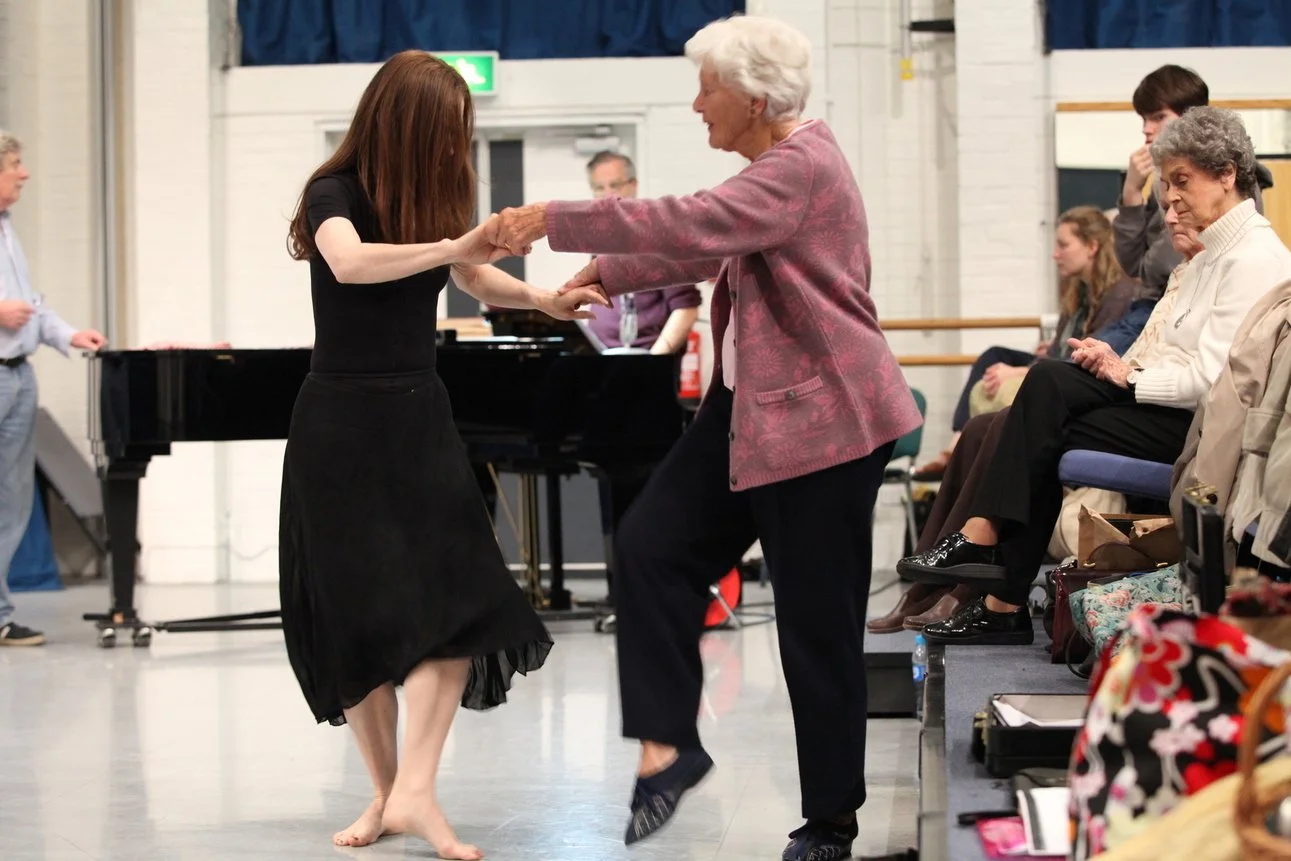
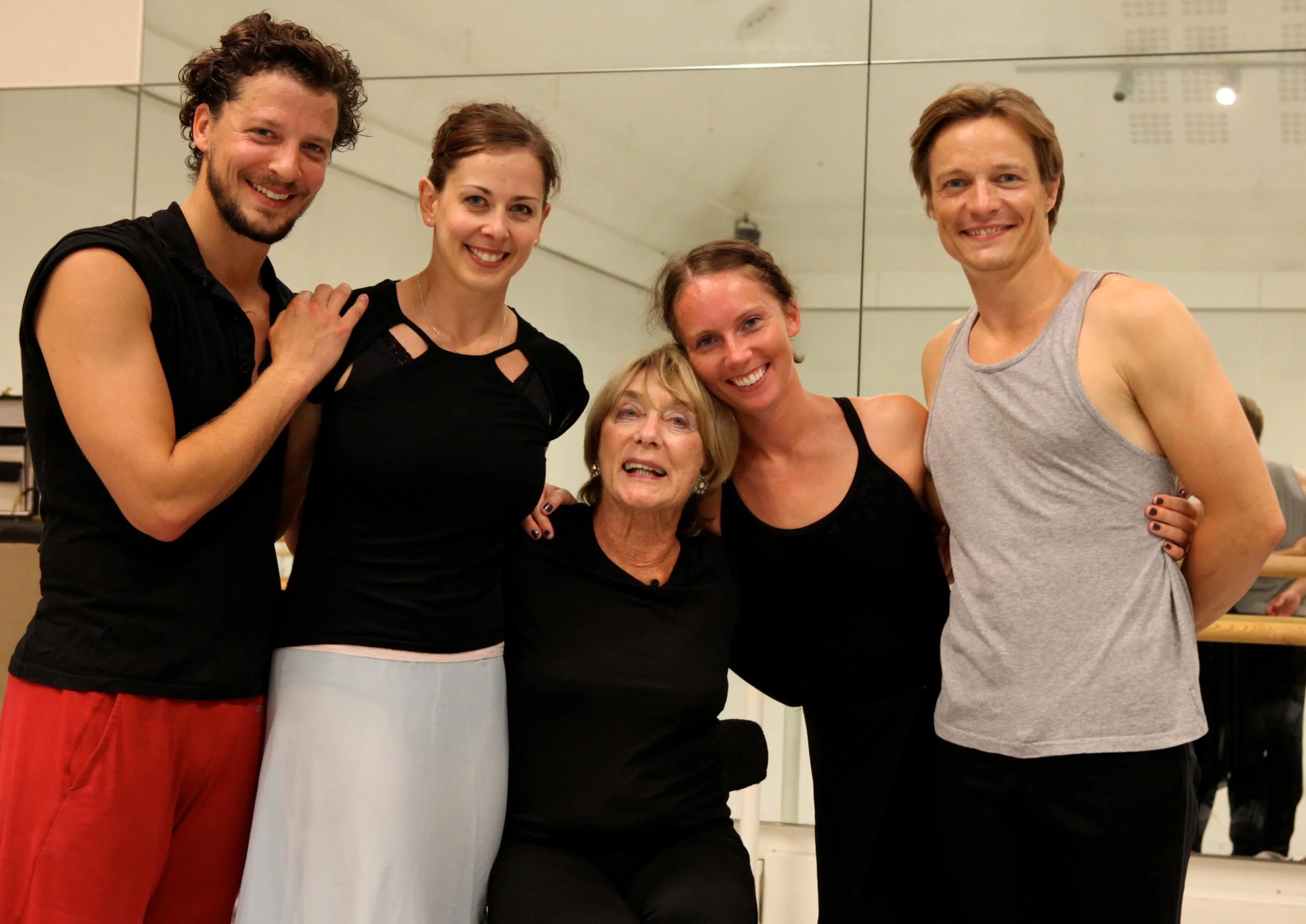
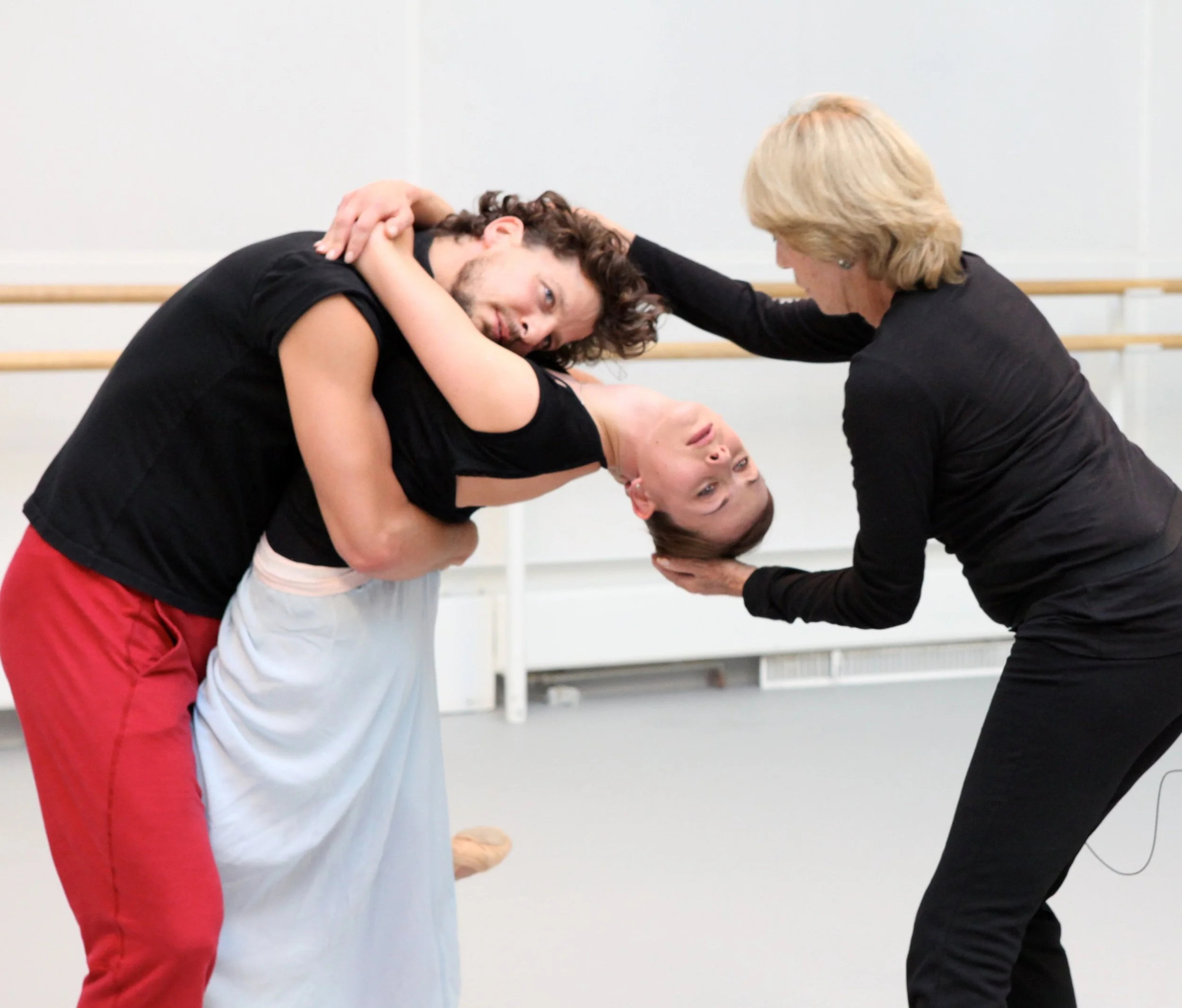
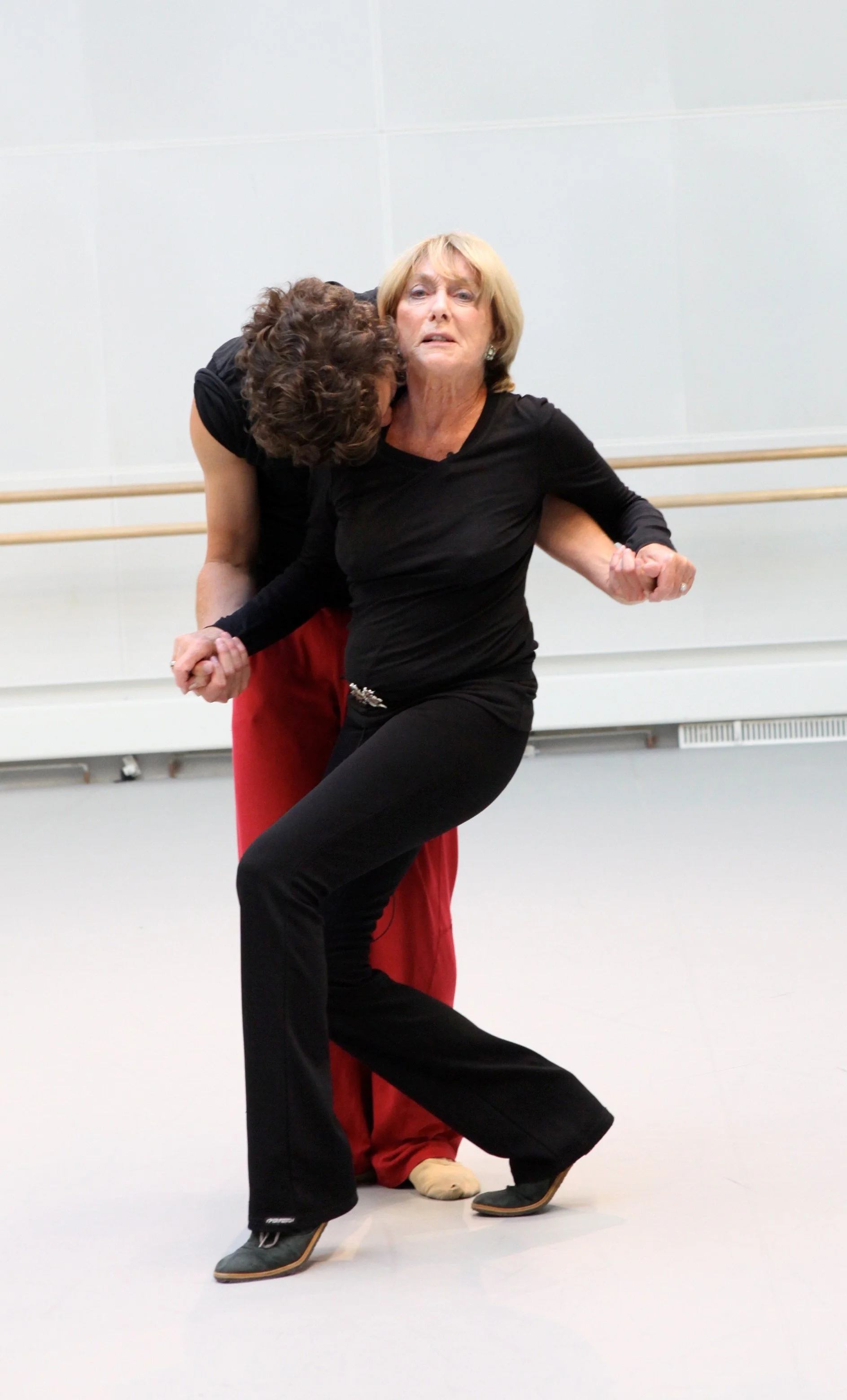
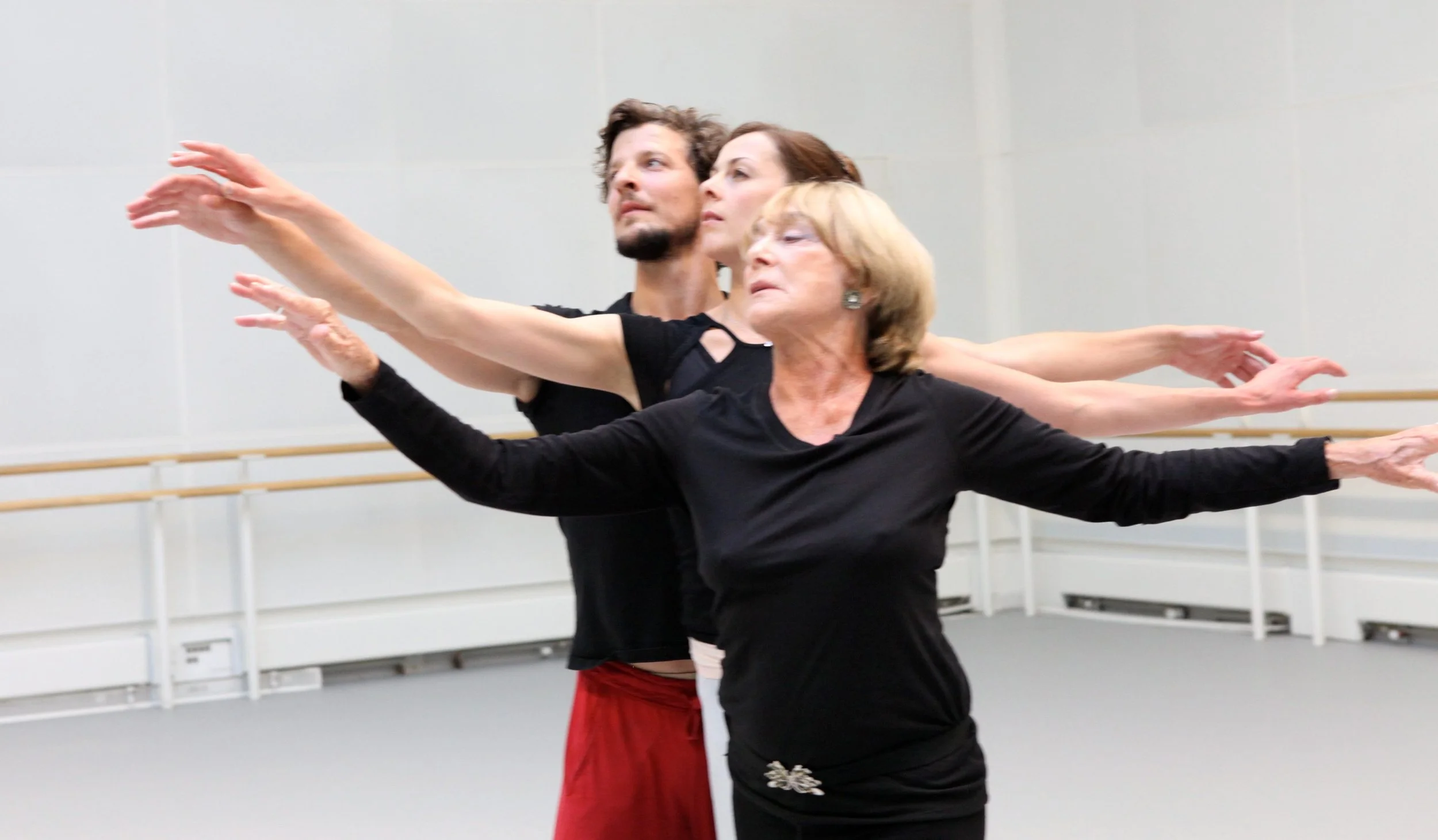
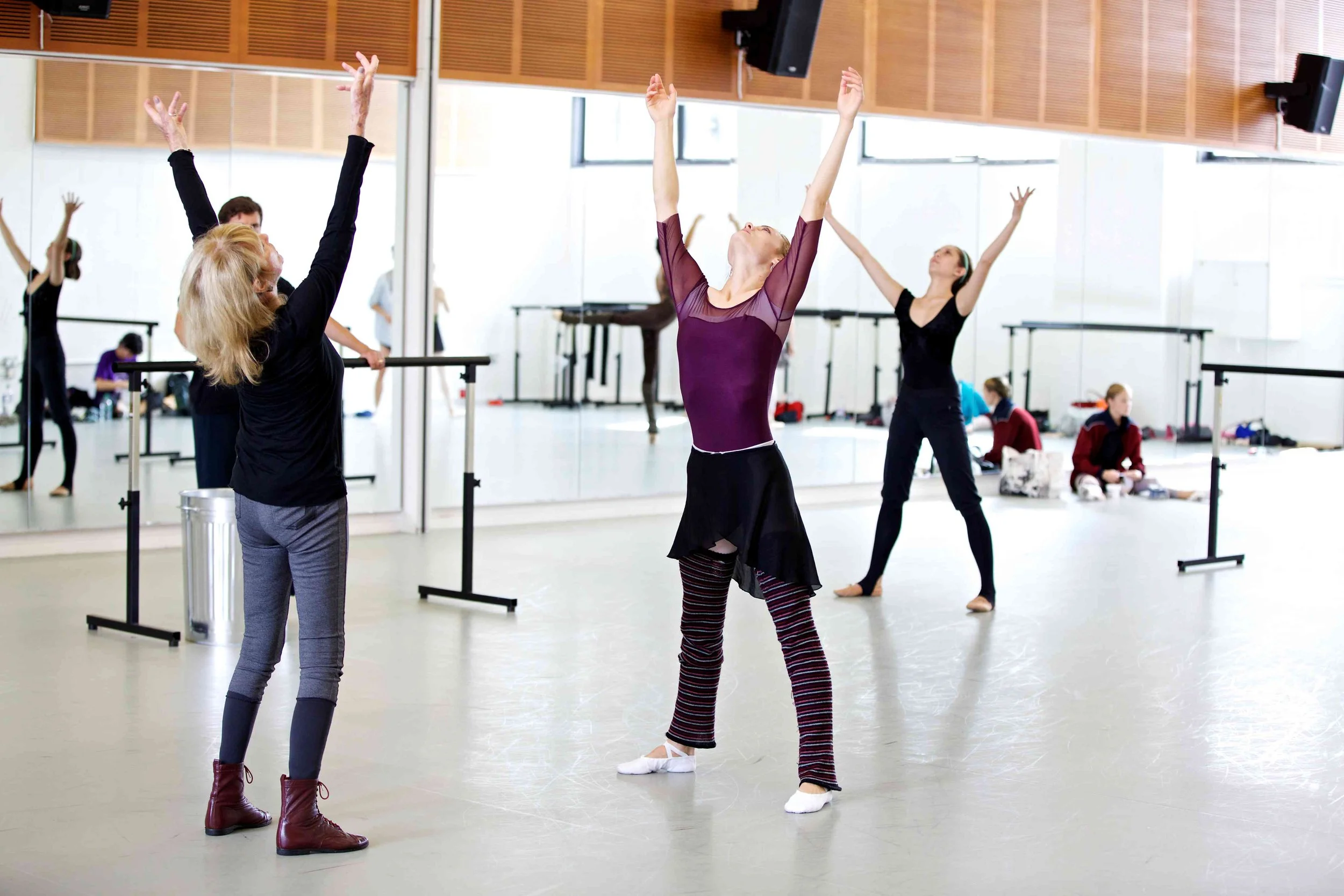
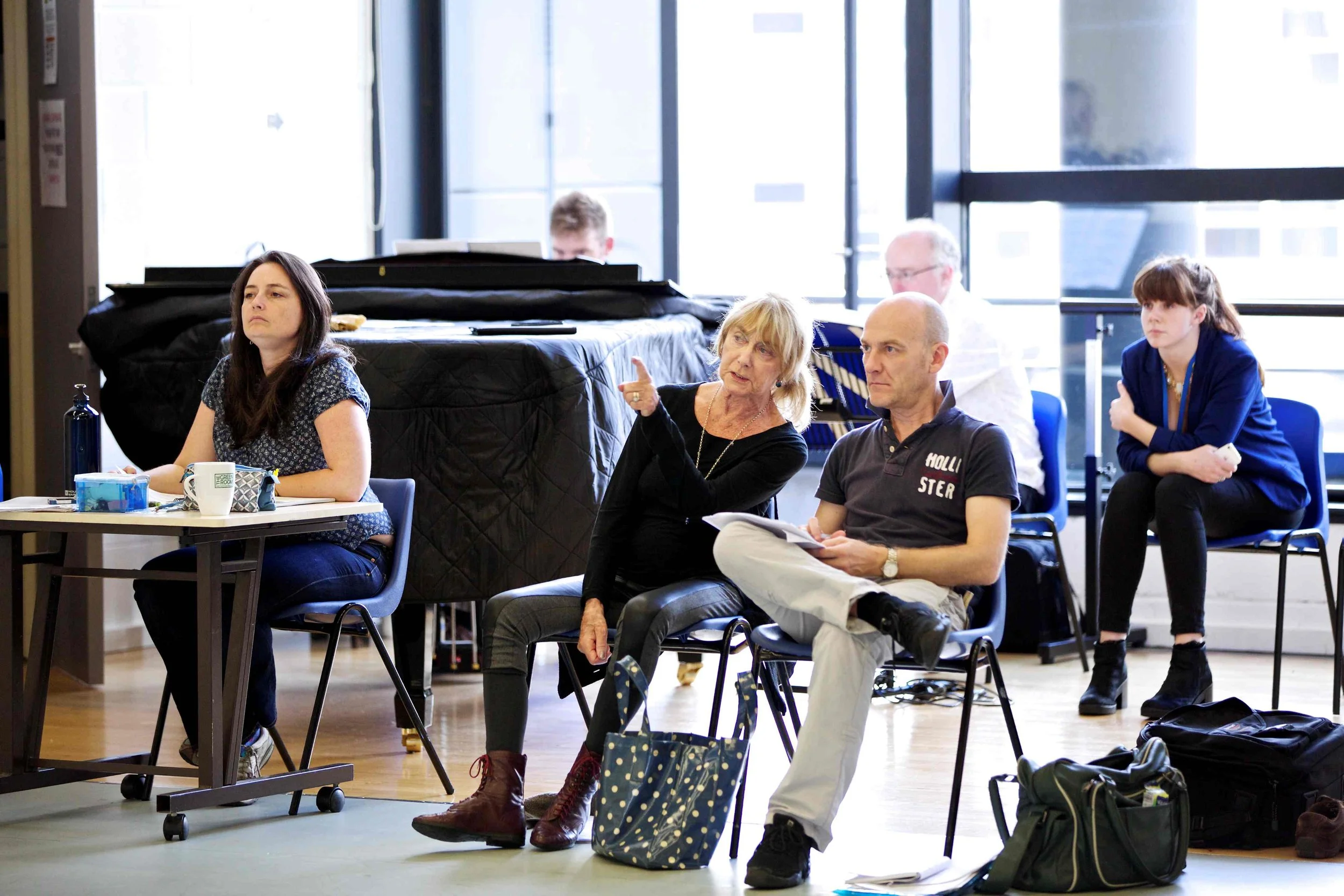
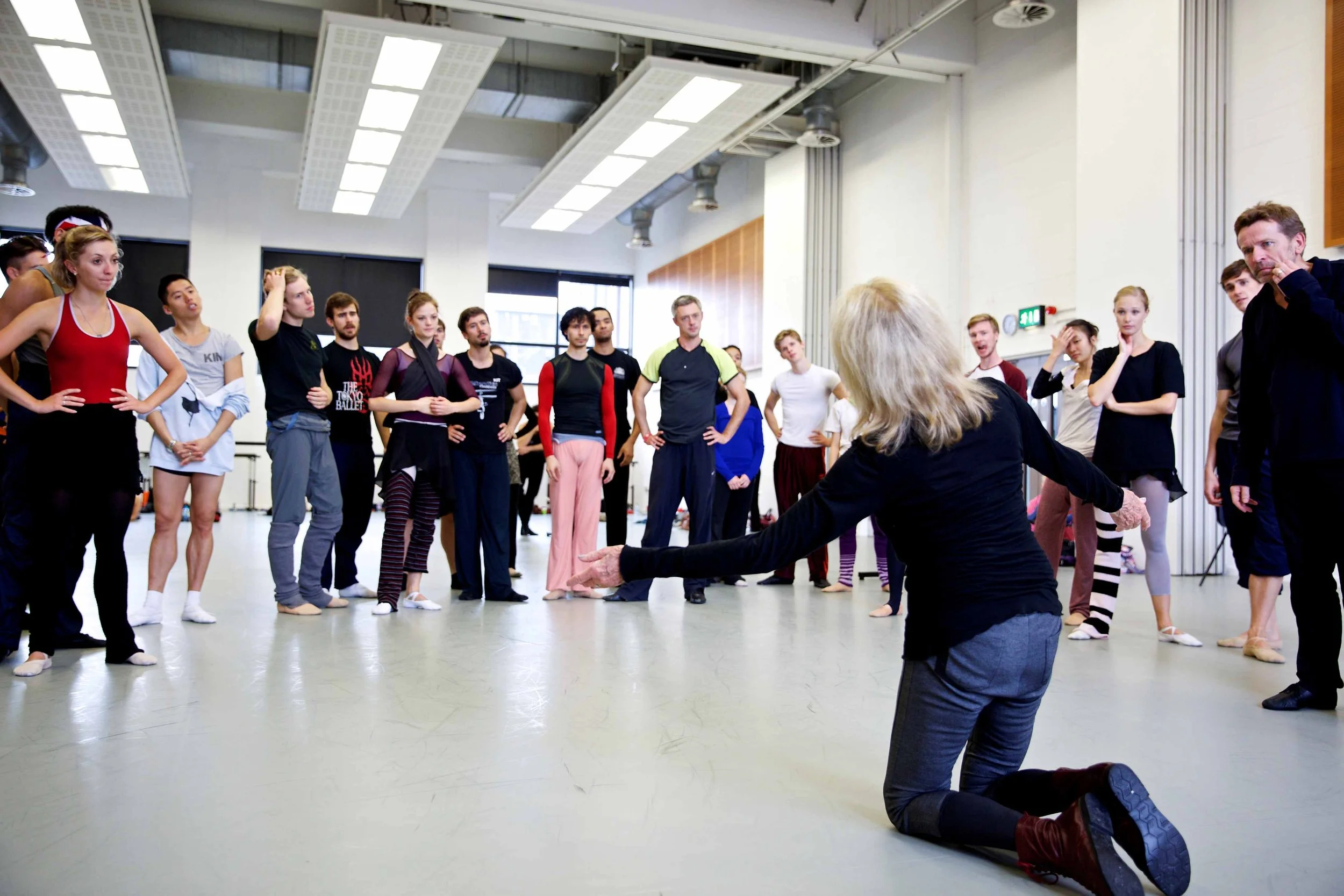
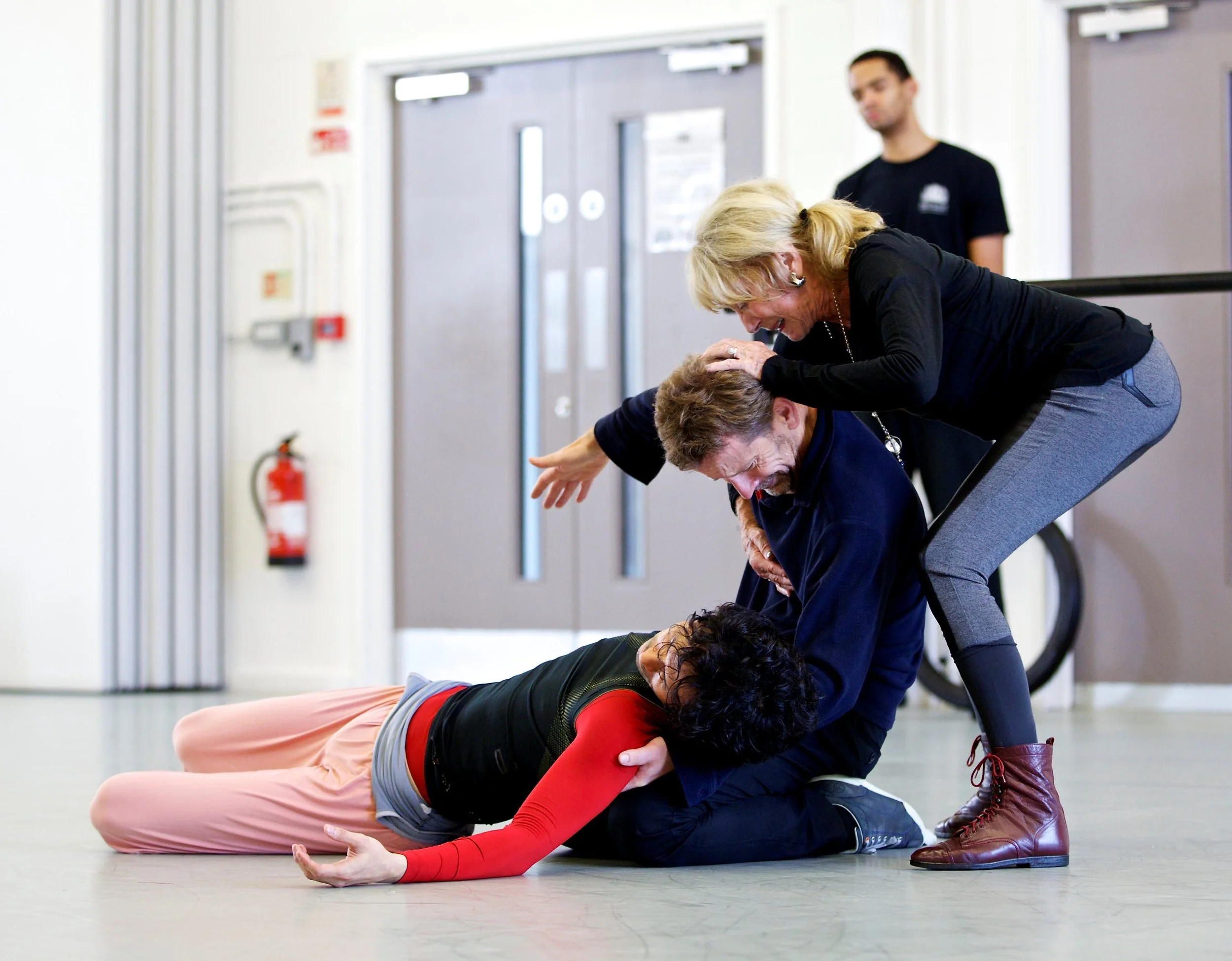
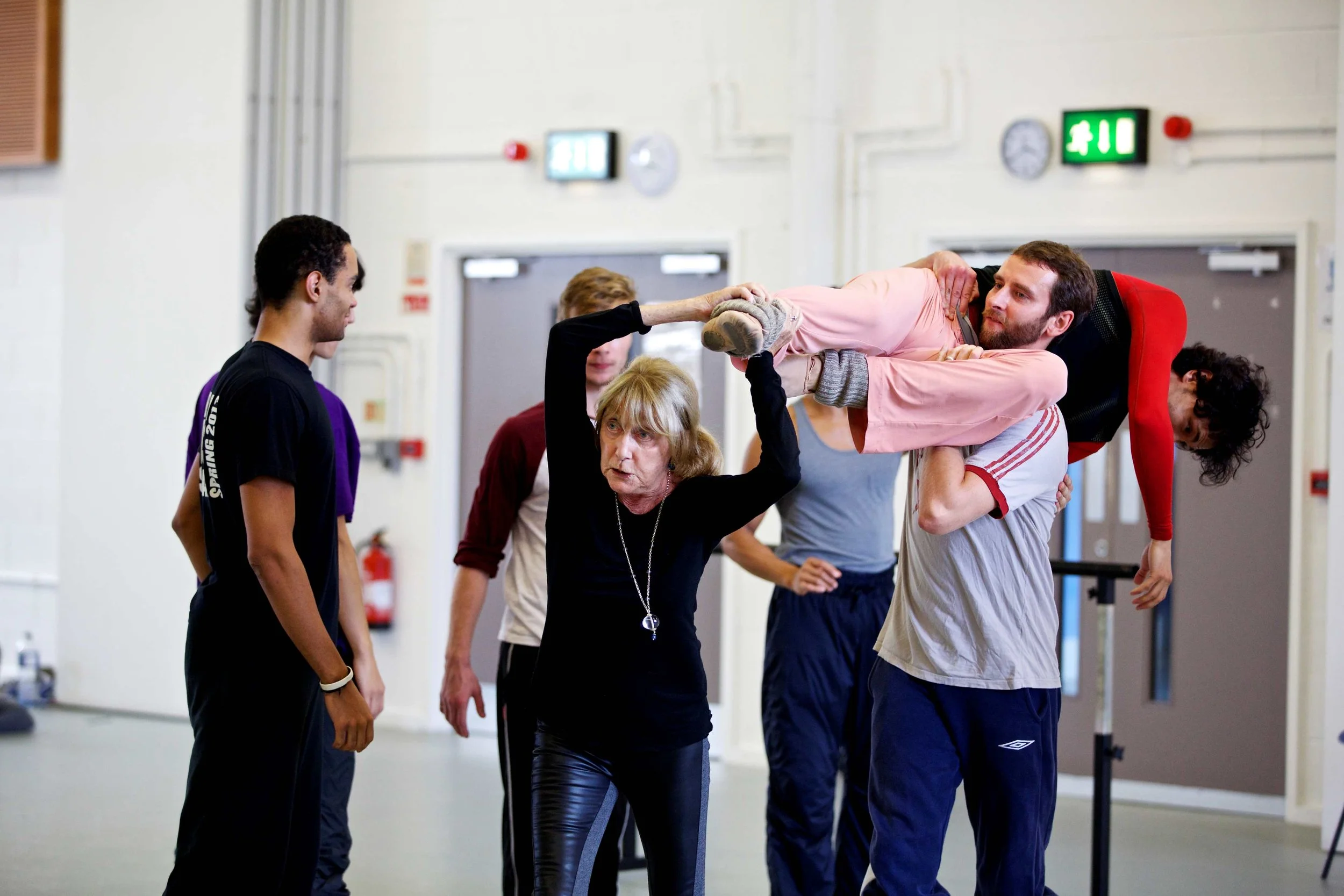
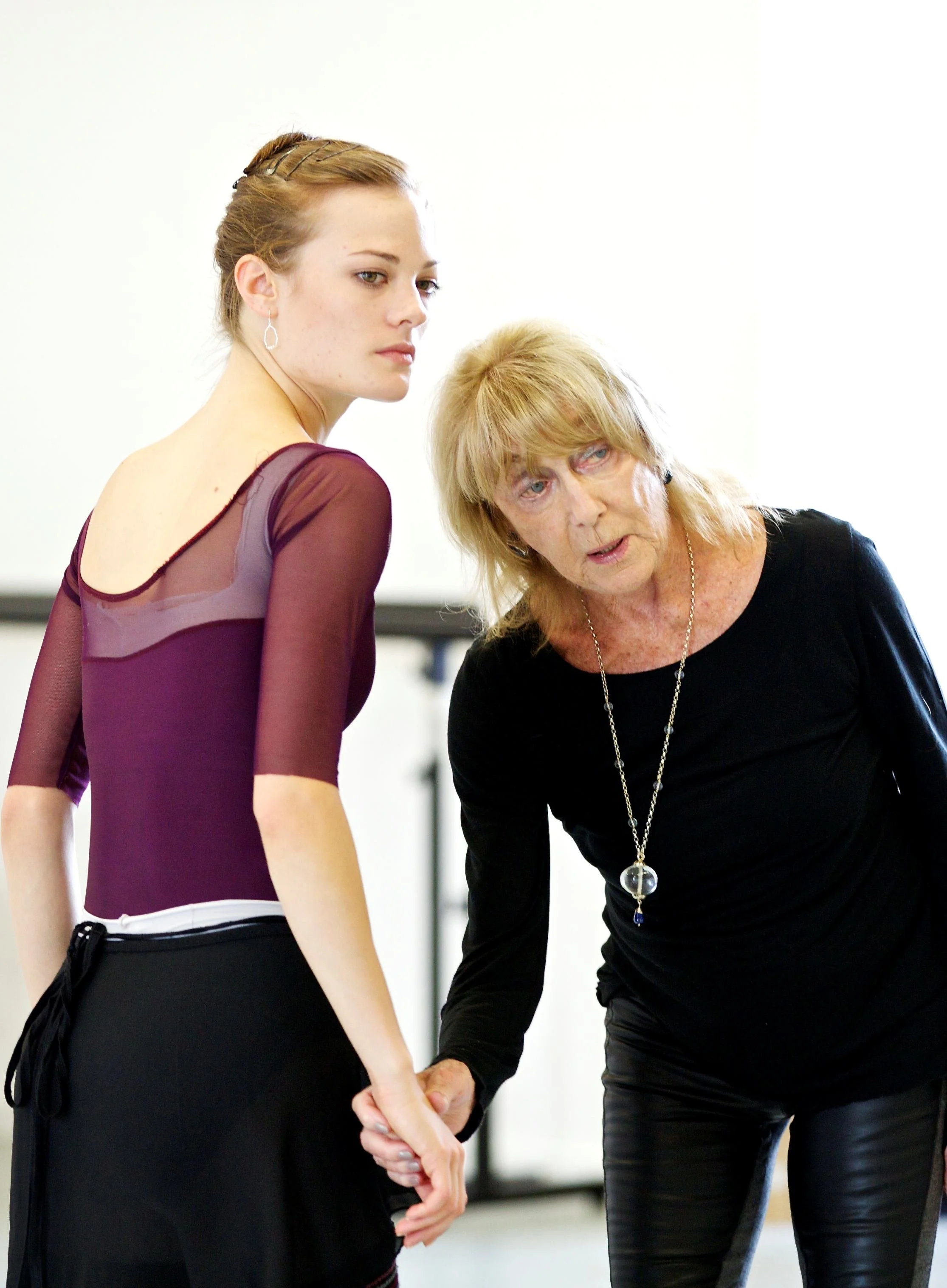
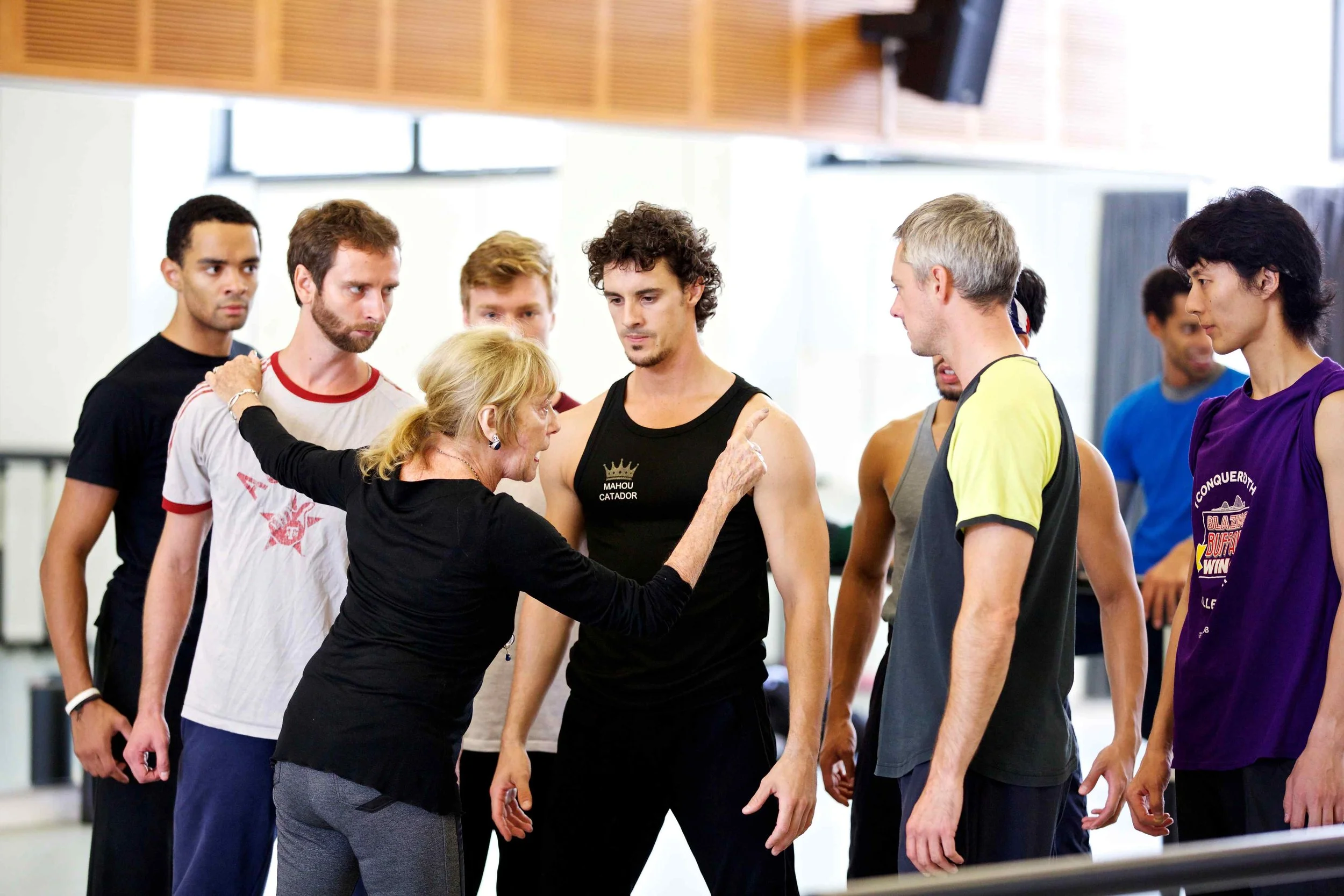
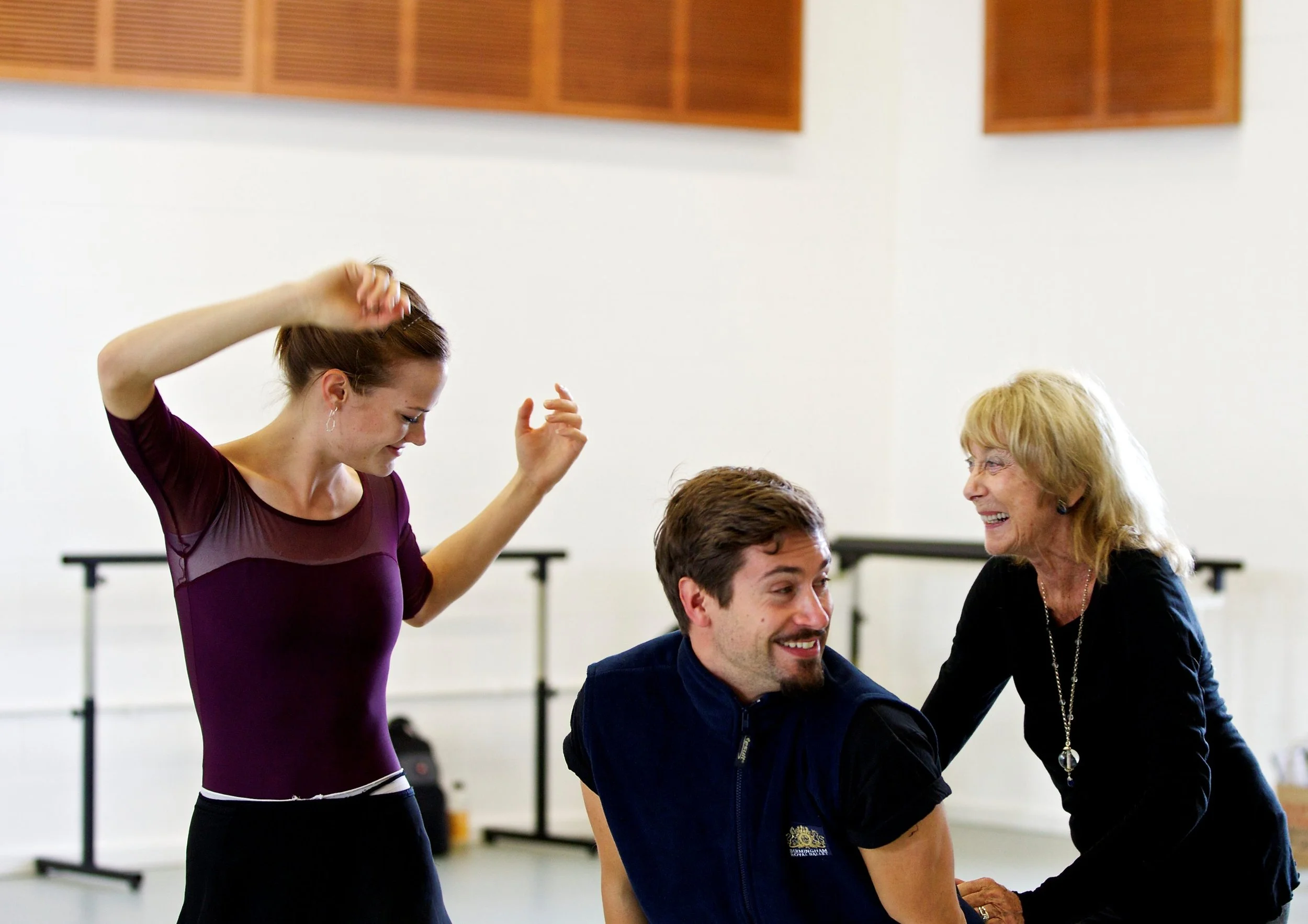
Rehearsals with Birmingham Royal Ballet - 2014
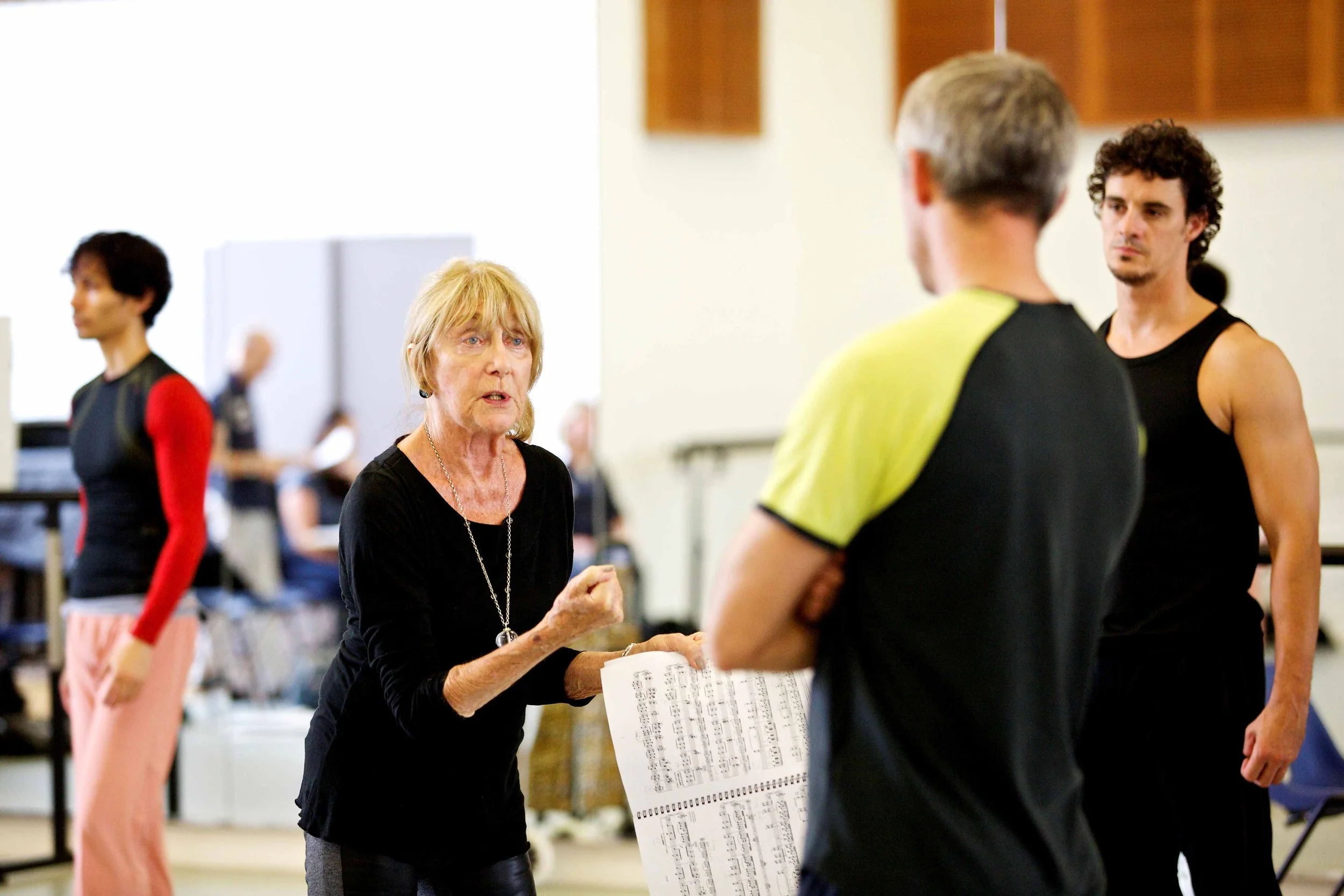
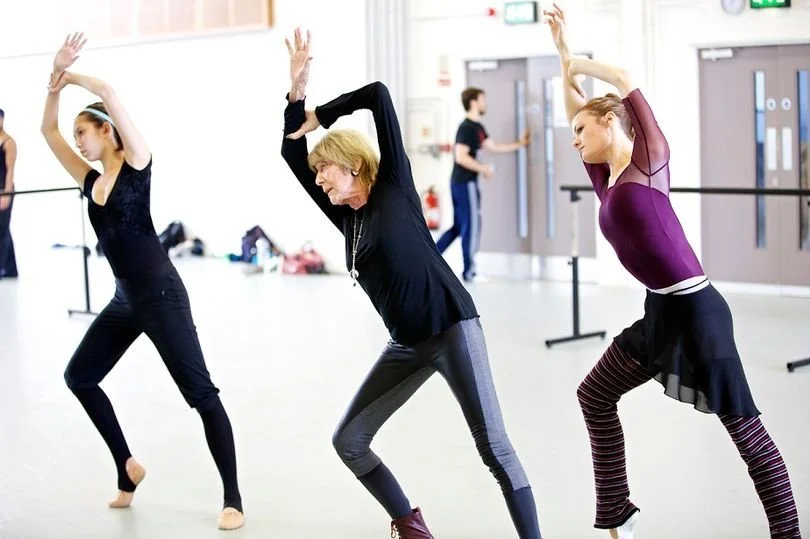
Photographs:
Birmingham Royal Ballet rehearsals 2014 - Andrew Ross
White Lodge workshop 2011 - Eliza Beveridge